
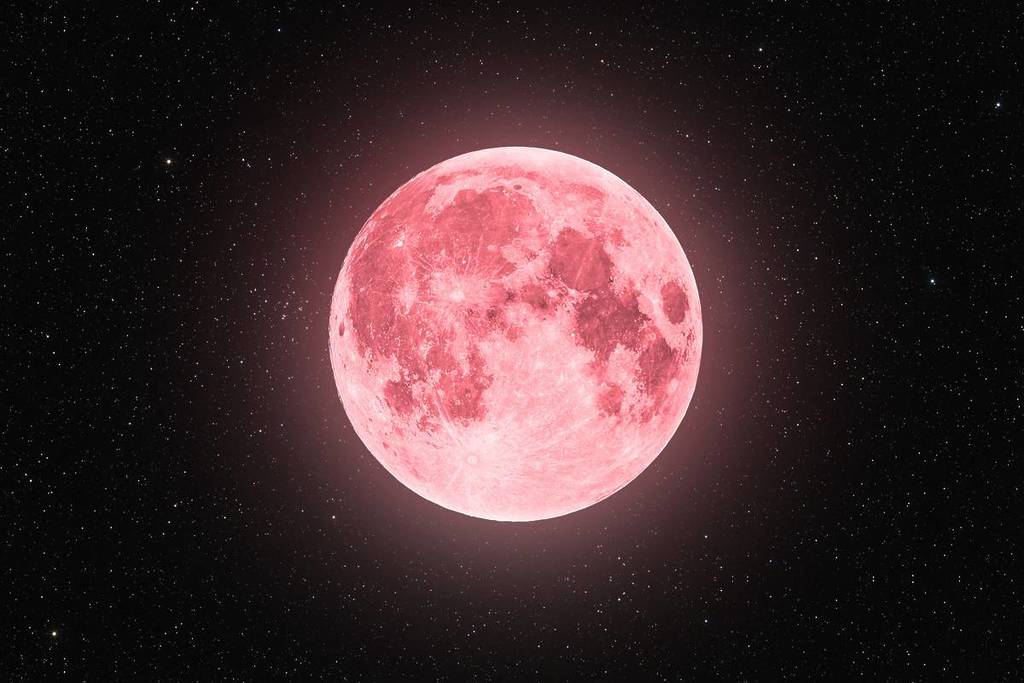

Astronomy enthusiasts and lovers of celestial spectacles, here’s a truly beautiful event you won’t want to miss. On the night of June 29–30, 2026, a magnificent Strawberry Moon will light up the night sky. But what exactly is a Strawberry Moon? Why is it called that? And most importantly, how can you best admire it?
What is the Strawberry Moon?
Following April’s Super Pink Moon and May’s Flower Moon, it’s now the Strawberry Moon’s turn to shine in the June sky. This full moon also symbolically marks the end of spring and the arrival of summer.
But why is it called that? No, it has nothing to do with Cyril Lignac’s strawberry tart recipe! This name comes from Native American peoples. The Algonquin tribe is said to have named this full moon the “Strawberry Moon” because it coincided with the wild strawberry harvest season in North America.
Back then, Native Americans used lunar cycles to mark the agricultural seasons and celebrate the major events of the year—just as they do with the Flower Moon, which evokes the spirit of spring.
A moon that brings good luck?
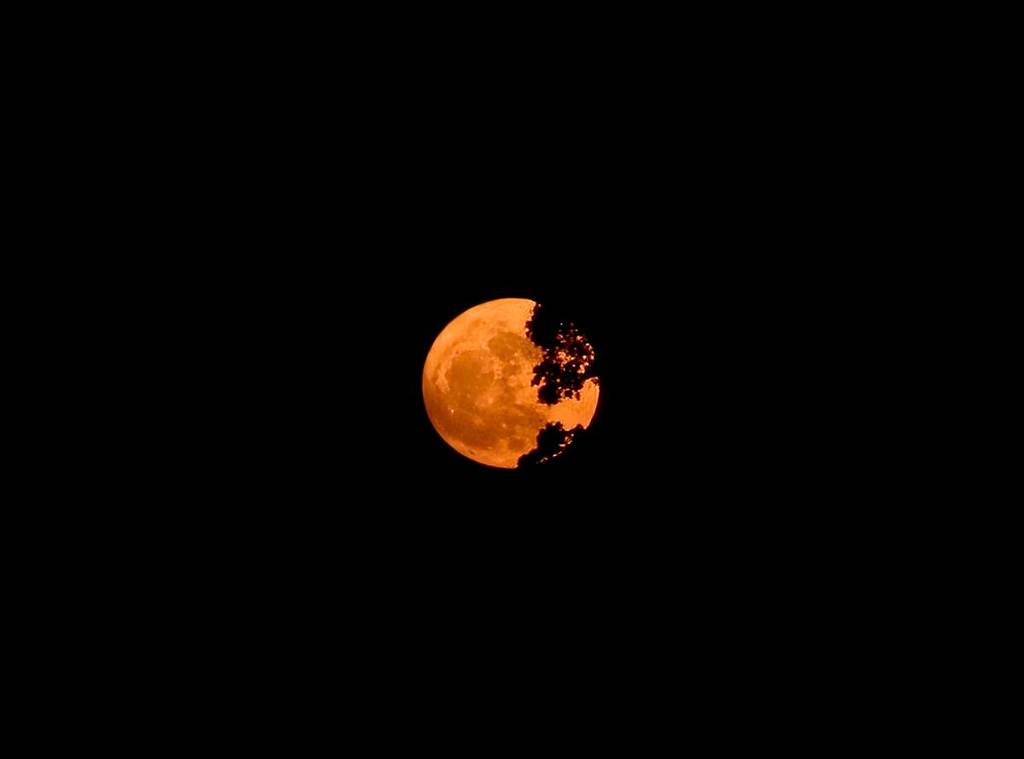
According to Native American beliefs, the “Strawberry Moon” is said to herald good news. While it symbolizes the arrival of summer, it is also associated with abundance and prosperity.
And that’s not its only nickname. In Europe, it’s sometimes called the “honeymoon moon, ” while other traditions refer to it as the “green corn moon.”
One question comes up often: Will the Strawberry Moon take on a pretty pink hue on the night of June 29–30? The answer is no. Despite its evocative name, this full moon doesn’t owe its color to strawberries. Its name refers solely to the harvest season among Native American peoples.
How can you best admire this very special moon?
To fully enjoy the spectacle, choose a location away from light pollution: a rural area, a park, or any other space with an unobstructed horizon. Even to the naked eye, the full moon promises to be particularly spectacular.
The event is scheduled for June 29, 2026, at 11:53 p.m. UTC, which is 1:53 a.m. (Paris time) on the night of June 29–30. So, dust off your telescopes—or simply look up at the sky!