

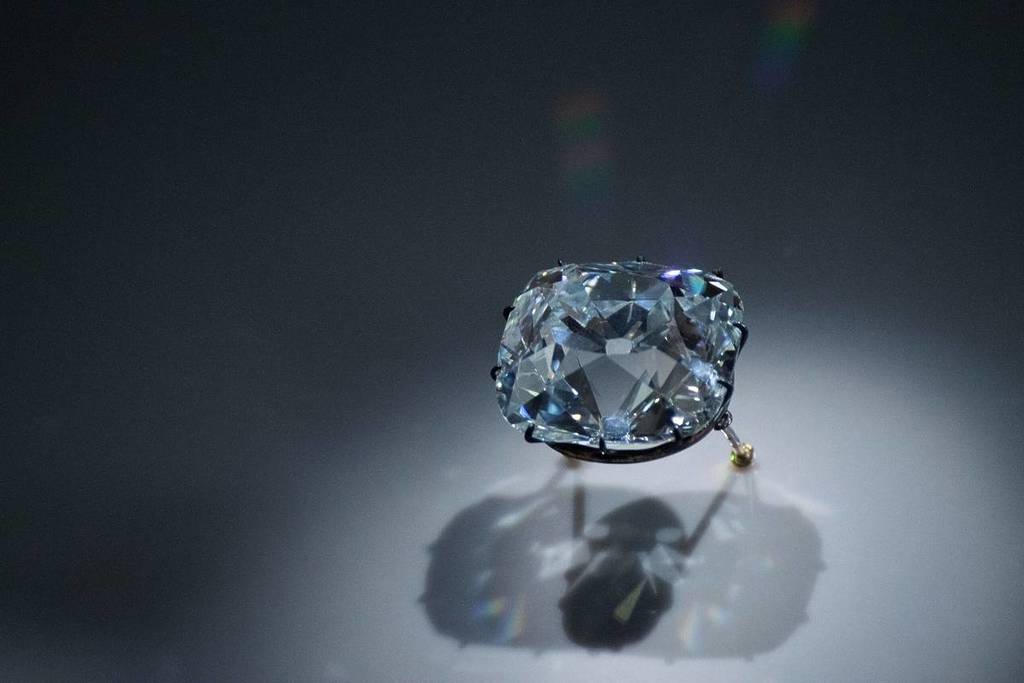
Among the treasures housed in the Louvre Museum, some attract less attention than the Mona Lisa, but nevertheless tell an equally spectacular story. This is the case with the Regent Diamond, considered one of the most beautiful diamonds in the world and undoubtedly the most emblematic in French history. Its journey, between India, royal palaces, and the Revolution, reads like a movie script.
The most legendary of diamonds
The story begins at the end of the 17th century in the mines of Golconda, India, a region renowned at the time for producing the most beautiful diamonds on the planet. A slave is said to have discovered an exceptional rough stone weighing around 410 carats. Legend has it that he hid it in a wound on his leg in an attempt to smuggle it out of the country. Betrayed by an accomplice, he was murdered, and the stone eventually fell into the hands of an English merchant, Thomas Pitt, then governor of Madras.
Thomas Pitt kept the diamond for several years before having it cut in London. After a long cutting process, the stone revealed its full splendor. It now weighs 140.64 carats and is distinguished by its exceptional purity and brilliance. In 1717, Pitt sold the diamond to the Regent of France, Philippe d’Orléans, who was ruling the kingdom during the minority of Louis XV. It was at this point that the stone took on the name we know today.
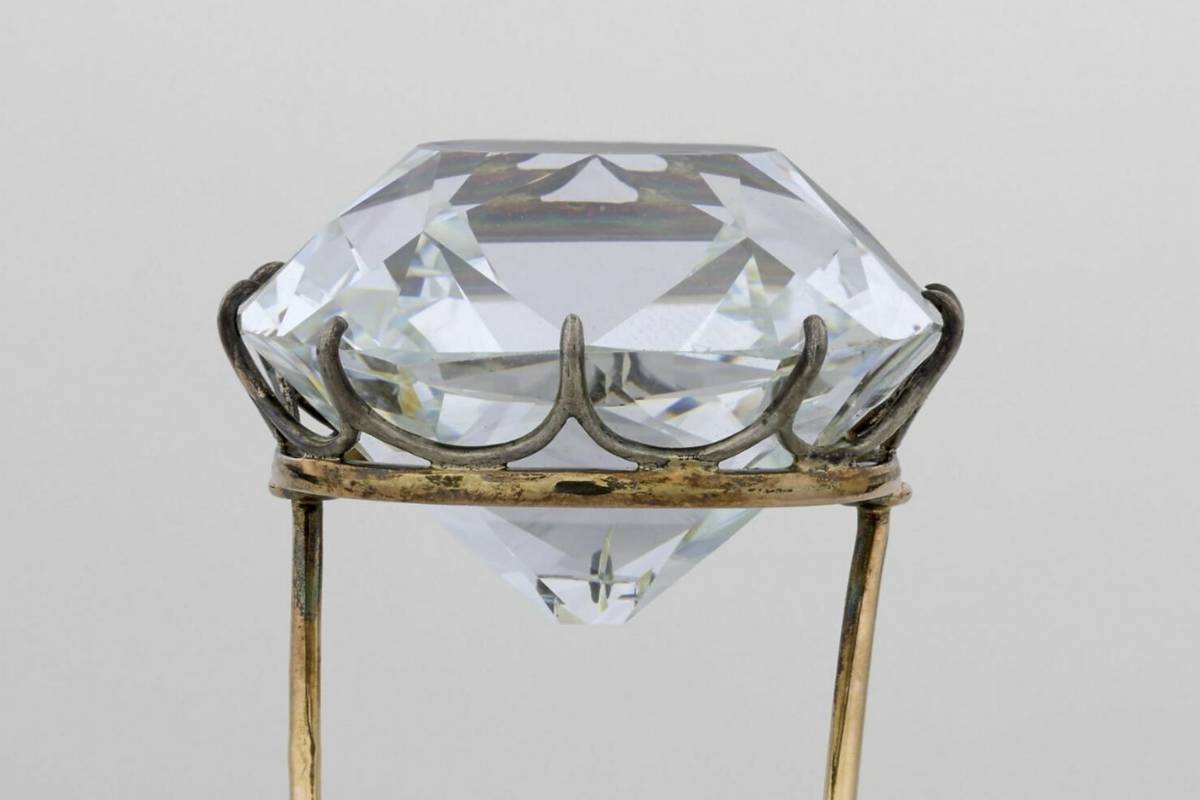
The diamond quickly became one of the most precious jewels in the French Crown. It was added to the royal collections and used during major ceremonies. It was notably featured on Louis XV’s crown during his coronation in 1722. Its perfect cut and exceptional light make it a unique piece, often described as an absolute masterpiece of jewelry.
But the history of the Regent is not limited to the splendor of the monarchy. During the French Revolution, the Crown Jewels were seized and deposited in the Garde-Meuble. In 1792, part of these treasures was stolen in a spectacular burglary. The Regent then disappeared for several months, before being found in 1793 in a Parisian attic.
During the First Empire, Napoleon Bonaparte appropriated the stone for himself. He had the Regent mounted on the hilt of his coronation sword in 1804, transforming the royal diamond into an imperial symbol. Later, Napoleon III also used it, further reinforcing its status as an object of power.
Throughout the 19th century, the diamond became a national treasure. It escaped sale when the Crown Jewels were dispersed in 1887, as its historical value was considered priceless. It was then entrusted to the Louvre Museum, where it is still on display today in the Apollo Gallery, alongside other masterpieces of French jewelry.
Between tragedies, political intrigues, and symbols of power, the Régent diamond remains one of the most striking witnesses to French history.