


Inaugurated in 1986, the Musée d’Orsay welcomes thousands of visitors every day. But do you really know all its secrets?
1 – Before it was a museum, it was a railway station

Before it became the museum we know today, Orsay was a railway station. In fact, it was the world’s first electrified urban railway terminal. It was inaugurated during the 1900 Universal Exhibition and served three main destinations: Bordeaux, Toulouse and Nantes. After surviving two wars and being threatened with destruction, the station finally changed function, becoming a museum in 1971. On March 20, 1978, it was classified as a Historic Monument!
2- It has been used as a film set
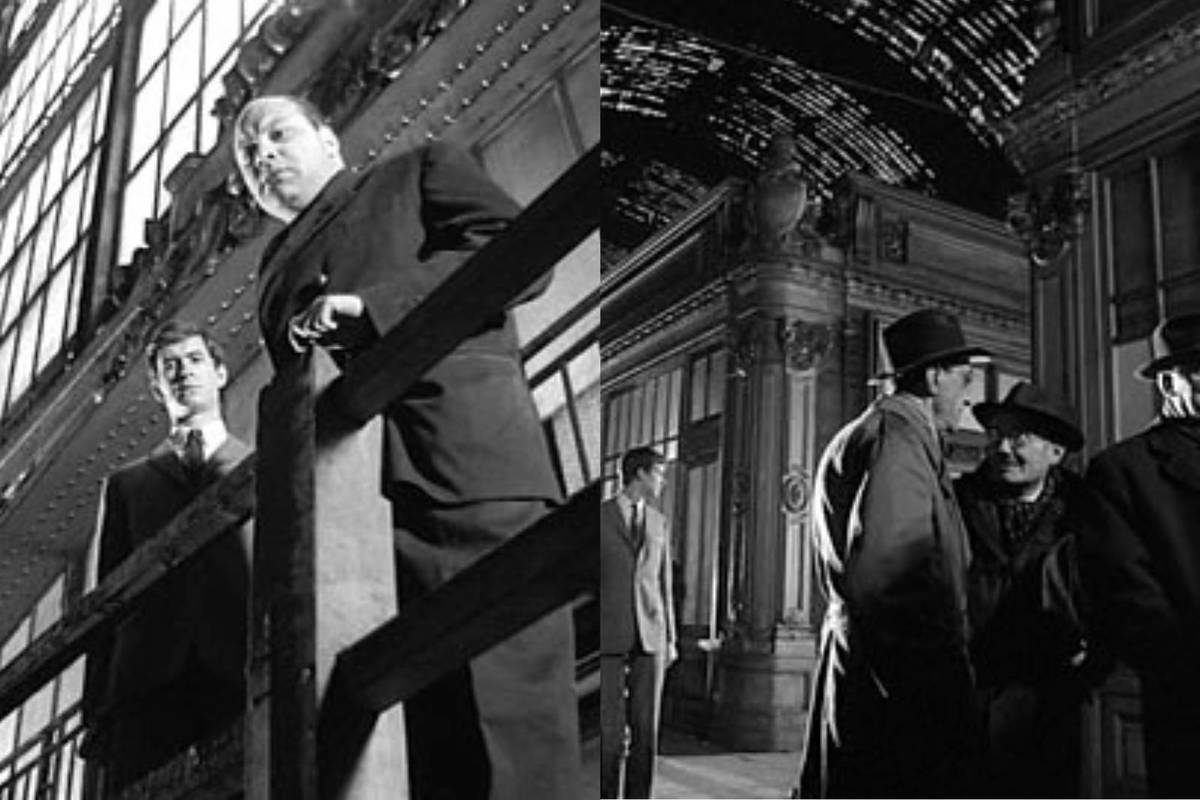
Before it housed masterpieces by Monet or Van Gogh, the old station was used by trains… and film sets. Its immense glass roof, monumental clocks and silent walkways make it a magical, almost unreal place, where every nook and cranny seems like something out of a film. It’s not surprising that some directors have lingered here, such as Orson Welles, who shot a scene in The Trial. More recently, backstage glimpses of the museum can be seen in Woody Allen’s Midnight in Paris and Martin Scorsese’s Hugo Cabret.
3- The museum houses the world’s largest collection of Impressionist and Post-Impressionist paintings.

Incredible but true, the Musée d’Orsay houses the world’s largest collection of 19th-century Impressionist art. Its collection includes such remarkable paintings as Vincent Van Gogh’s Self-Portrait and Edouard Manet’s Déjeuner sur l’herbe.
4 – The museum has more metal in its structure than the Eiffel Tower

Who’d have thought it? The Musée d’Orsay alone contains 12,000 tonnes of metal! By way of comparison, our beloved Eiffel Tower required 7,000 tonnes of metal. That’s almost half as much!
5 – The museum has its own visitor app (and it’s free)

To make your visit easier, the Musée d’Orsay has created its own app. Available free of charge on Iphone and Android, it lets you discover the temporary exhibitions, understand a selection of 32 works with commentary, and is translated into 5 languages. You also have access to the museum’s diary, so you don’t miss a thing!
6 – It’s free all year round (under certain conditions).

Yes, you don’t have to break the bank to admire a Monet or a Van Gogh. If you’re under 18 and French, or under 26 and European, the museum opens its doors to you free of charge. Proof of identity is required! What’s more, on the first Sunday of every month, the museum is free for all.