
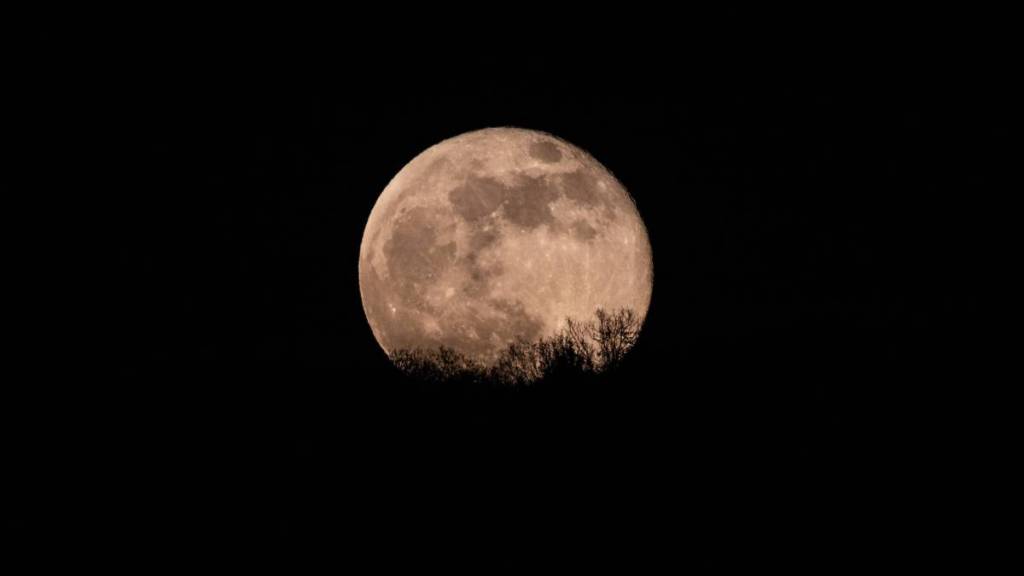

The year 2026 still has plenty of lovely celestial surprises in store for us. As fall is well underway and the nights grow longer, a new celestial event is on the horizon in November: the Beaver Supermoon. Behind this somewhat unlikely name lies a particularly bright full moon, which promises to amaze both art lovers and astronomy enthusiasts alike. Date, optimal viewing conditions, the origin of its name, and astrological influences: here’s everything you need to know.
Tuesday, November 24—look up at the sky to admire the Beaver Supermoon
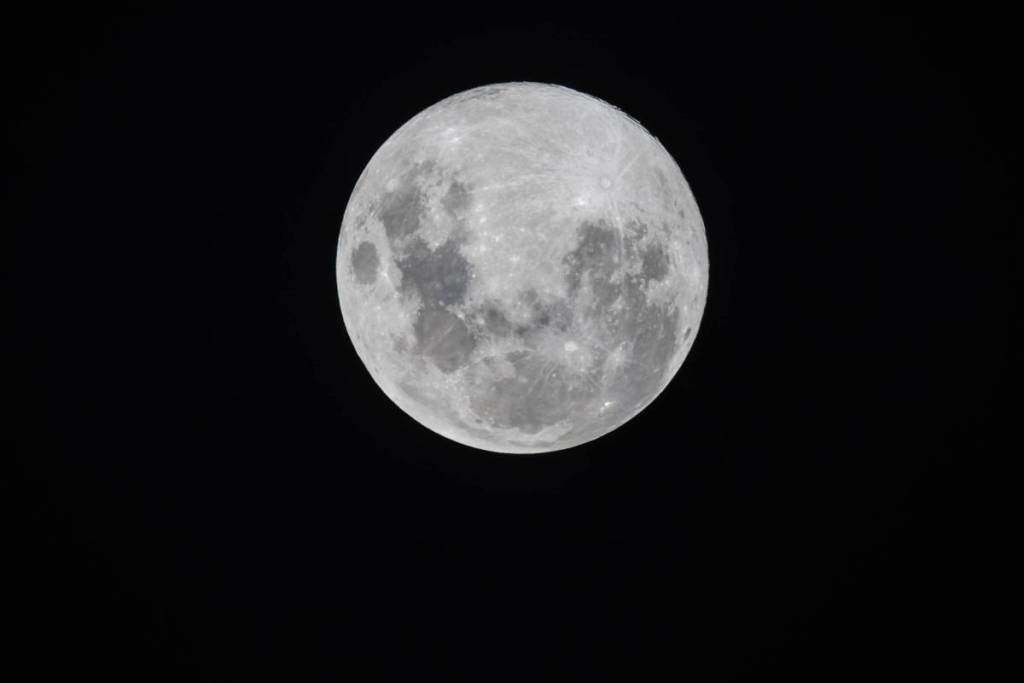
The event is scheduled for November 24, 2026, at 3:53 p.m. (Paris time). At that time, the Moon will reach its full phase, offering a celestial spectacle made all the more remarkable by the fact that it will be near its perigee—the point in its orbit where it is closest to Earth.
This is what we call a Supermoon: our natural satellite appears slightly larger and brighter than an ordinary full moon. To enjoy the spectacle, choose an open area, away from artificial lighting. In Paris, the Moon will rise around 4:25 p.m., in the last light of day.
The Beaver Full Moon… A very strange name, but why?
Behind the name “Beaver Moon” lie North American folk traditions. The month of November was, in fact, an important time for beavers, who were busy reinforcing their lodges and preparing their stores before the arrival of winter.
Like many other full moons, November’s full moon takes its name from the rhythms of nature. The Harvest Moon or the Strawberry Moon: these traditional names served as seasonal markers for Native Americans, tracking changes in wildlife, flora, and human activities. The Beaver Moon, for its part, heralds the onset of winter.
What astrological influences does the November Supermoon bring?
And astrology enthusiasts won’t want to miss this full moon either. On November 24, the moon will be in the sign of Gemini, opposite the Sun in Sagittarius. This symbolic axis pits two concepts against each other while fostering a dialogue between them: facts and beliefs, information and the search for meaning.
In astrology, the full moon in Gemini is associated with communication, exchanges, and new insights. It is said to symbolize a time ripe for revelations, decisive conversations, and ideas taking shape. Opposite it, the Sun in Sagittarius invites us to take a broader view, seek meaning, and find direction. In short, it’s an invitation to connect what we learn with what we truly wish to understand.
The second-to-last full moon of 2026, before the very last one on December 24
And 2026 has one last lunar spectacle in store for us! A final Super Moon is expected on December 24, on Christmas Eve. Even closer to Earth than the one in November, it will be the largest of the year in apparent diameter. So this is one last chance to look up at the sky before wrapping up the year… with your head in the stars.