
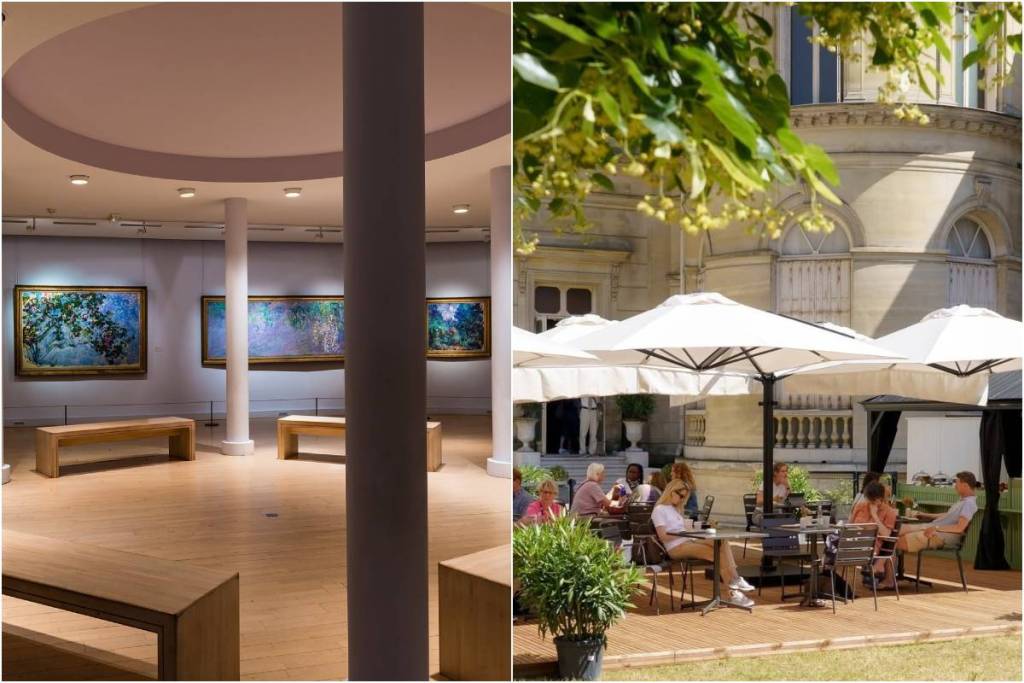

Just a stone’s throw from the Bois de Boulogne—one of the capital’s largest green spaces—and nestled among the beautiful facades of the 16th arrondissement, a private mansion is home to the world’s largest collection of works by Claude Monet. The kind of museum Parisians almost keep to themselves: the Marmottan Monet Museum.
22 October 2026 12:00 + more dates
Musée Marmottan Monet
A family home before becoming the Marmottan Monet Museum
It all began in 1882, when industrialist Jules Marmottan purchased a former hunting lodge that had belonged to Marshal de Kellermann, on the edge of the Bois de Boulogne and the Jardin du Ranelagh. An art enthusiast, he set up his first collections there. His son, Paul Marmottan, a renowned art historian, later took over and developed a consuming passion for the Empire style, that of Napoleon I.
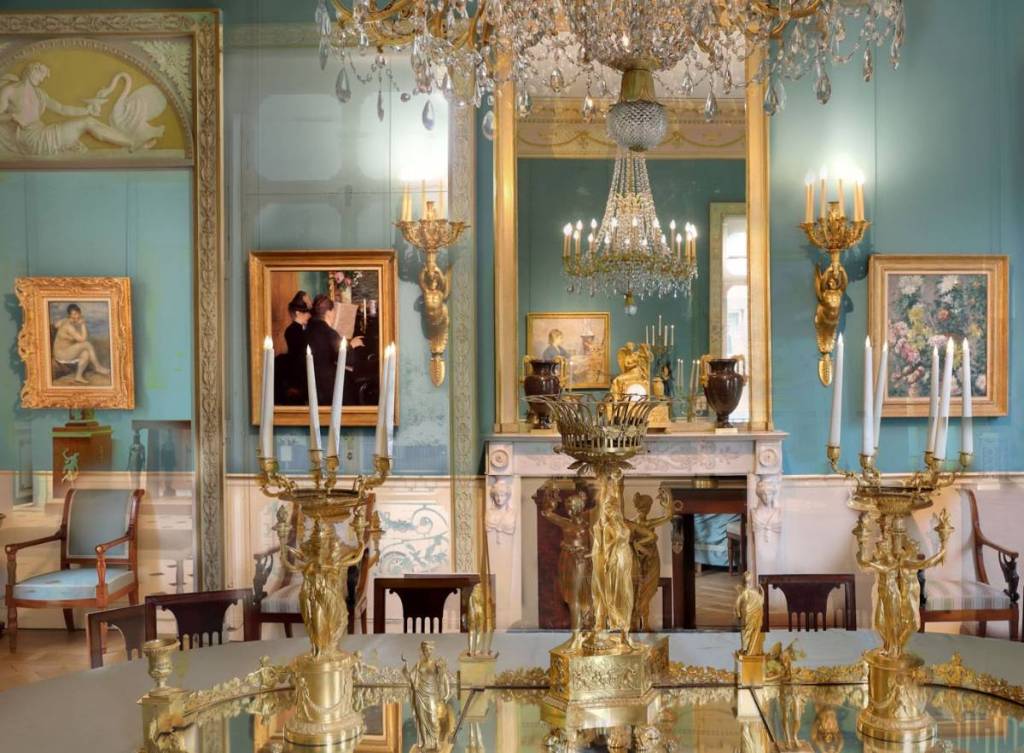
He expanded the residence and recreated imperial splendor in his own living room: furniture from the Tuileries Palace, crystal chandeliers, Napoleonic bronzes, and marble busts of the imperial family. He even went so far as to acquire Napoleon I’s own bed , which can still be seen today in the bedroom on the first floor.
With no children, Paul Marmottan bequeathed his entire home and collections to the Académie des Beaux-Arts in 1932, which turned it into a museum open to the public in 1934. Visitors can still stroll through it as if it were a private 19th-century apartment.
How a museum dedicated to Napoleon became a sanctuary for Monet
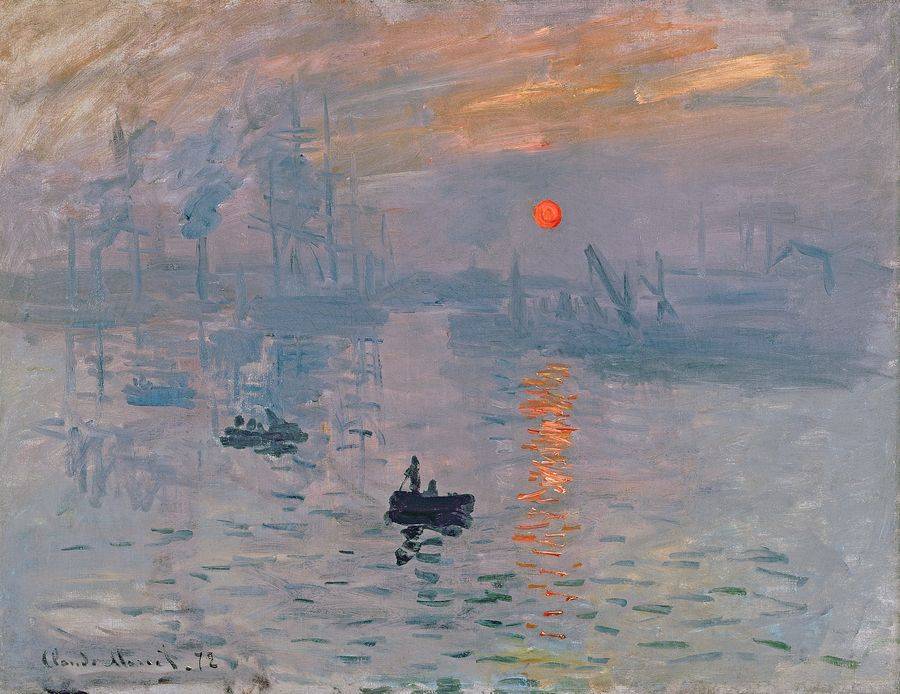
This museum, originally designed to celebrate Empire-style art, would become—almost in spite of itself— one of the world’s premier centers for Impressionism. The first major turning point came in 1957, with the bequest of eleven Impressionist paintings, including Claude Monet’s*Impression, Sunrise*, the painting that gave the entire movement its name. Then, in 1966, Michel Monet—the painter’s son and sole heir—bequeathed more than a hundred of his father’s works to the museum, including a unique collection of large *Water Lilies*.
The problem: Paul Marmottan’s reception rooms, designed for Empire-style furniture, were too narrow to accommodate such monumental canvases. The solution: an entirely new room was built beneath the garden of the mansion to house them. This underground room, now called the Monet Room, houses more than a hundred works by the painter—a world record—alongside the largest public collection of works by Berthe Morisot, the first female painter of the Impressionist movement.
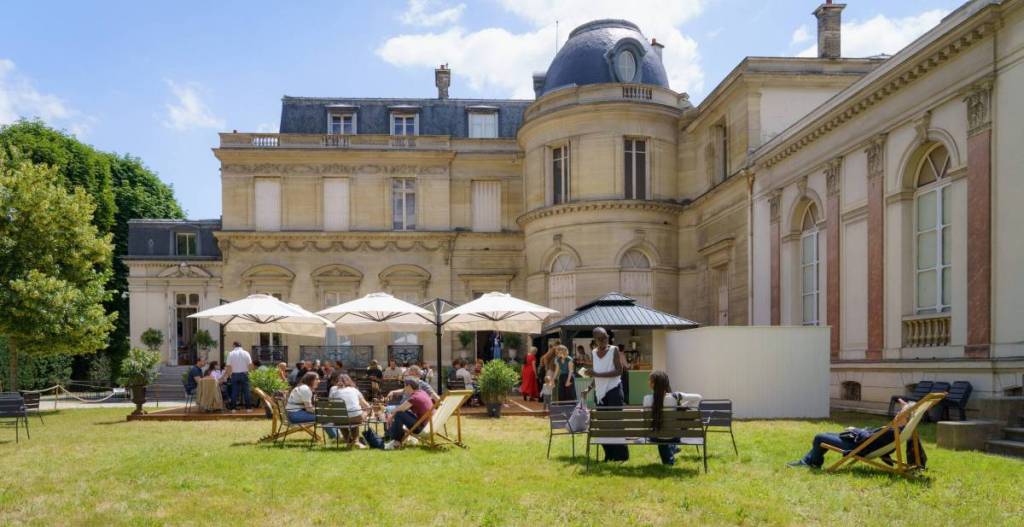
The Marmottan Garden, the must-visit pop-up café of the summer
And for those who don’t want to stop at just the tour, the museum has opened its pop-up café for the summer, Le Jardin Marmottan. Set in a garden usually closed to the public, with a view of the mansion’s interior façade, the spot offers cold drinks, unique ice creams, and pastries prepared by a local artisan, all under large umbrellas.
22 October 2026 12:00 + more dates
Musée Marmottan Monet