

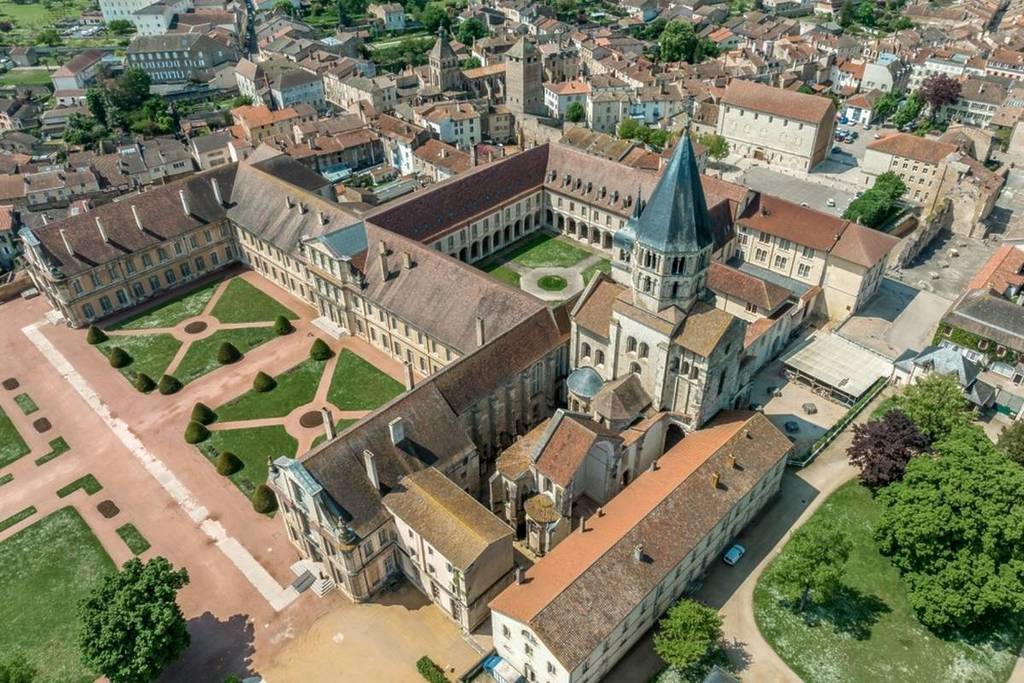
In the heart of Saône-et-Loire, in a small, peaceful town in Burgundy, lie the remains of what was once one of the most powerful monuments in Europe. Cluny Abbey is unlike the discreet monasteries nestled in the countryside. Here, everything is about grandeur, influence, and excess. Founded in 910, it quickly became the center of a monastic order that would spread throughout the Christian West.
A monumental abbey with an extraordinary history
At its peak, Cluny ruled over a network of nearly 1,400 monasteries across Europe. Its abbot was one of the most influential religious figures of his time. The third abbey church, built in the 11th century, was then the largest church in Christendom, long before the construction of St. Peter’s Basilica in Rome. Its dimensions are still dizzying today, even though much of the building has disappeared.
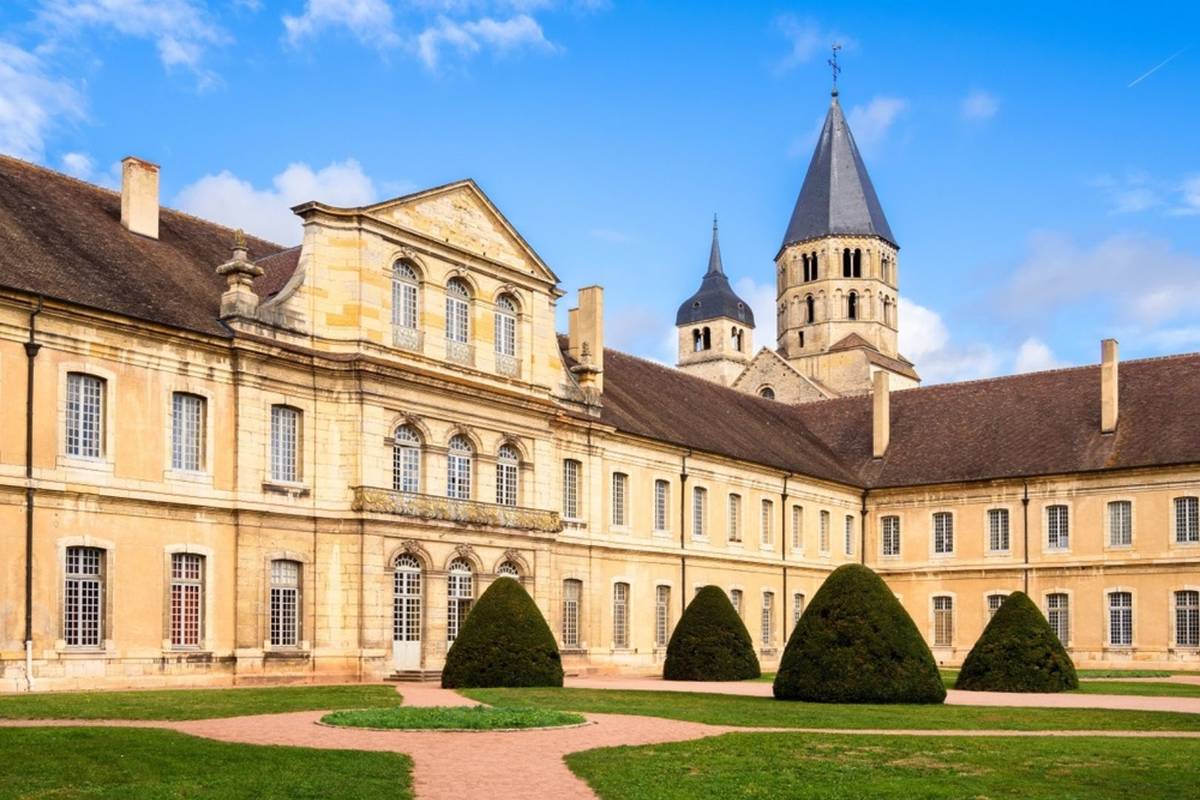
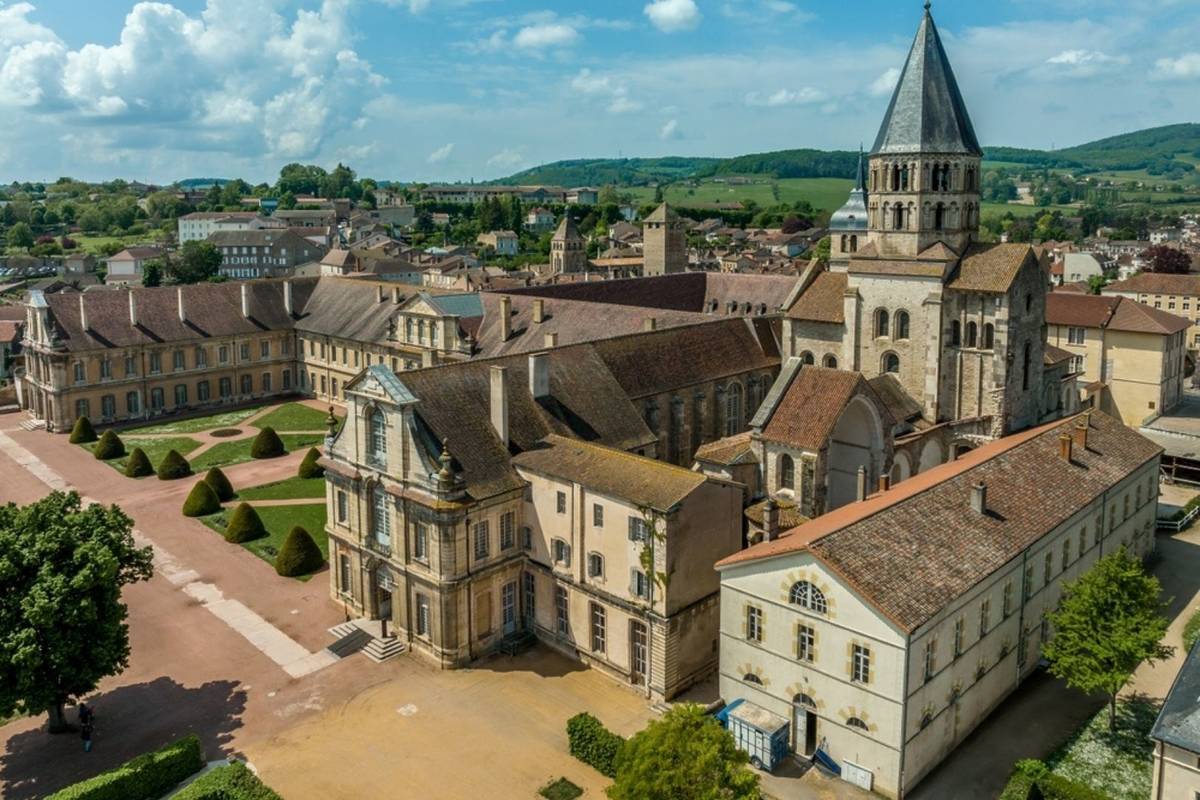
For the history of Cluny is also marked by destruction. During the French Revolution, the abbey was sold as national property and largely dismantled to serve as a stone quarry. This was an immense loss to our heritage, which explains why only fragments of this monumental complex remain today. Nevertheless, what remains still gives an idea of the scale of the site and the architectural ambition of its builders.
The tour often begins with the Baraban towers, which were once part of the fortified entrance. Continuing on, visitors discover the remains of the transept, chapels, cloister, and former abbey palace. Reconstructions and immersive displays help to visualize the church as it was at its peak, with its gigantic vaults and large nave.
What is striking about Cluny, beyond the stones, is the intellectual and spiritual influence that the abbey exerted for several centuries. It played a major role in the reform of the Church in the Middle Ages, advocating a more rigorous monastic life and asserting the independence of monks from local powers. Cluny was also an important cultural center, with manuscripts, knowledge, and artistic production that left a lasting mark on medieval Europe.
Today, visitors can explore the site at their own pace, taking in the open spaces, museums, and scenographic displays. The town of Cluny, which developed around the abbey, retains a tranquil atmosphere and a certain charm, with its narrow streets, old houses, and cafés.
Even without its most spectacular parts, Cluny Abbey remains one of the most fascinating sites in French heritage. A unique place that continues to impress with its history!
📍Cluny Abbey – Place du 11 Août 1944 – Cluny