
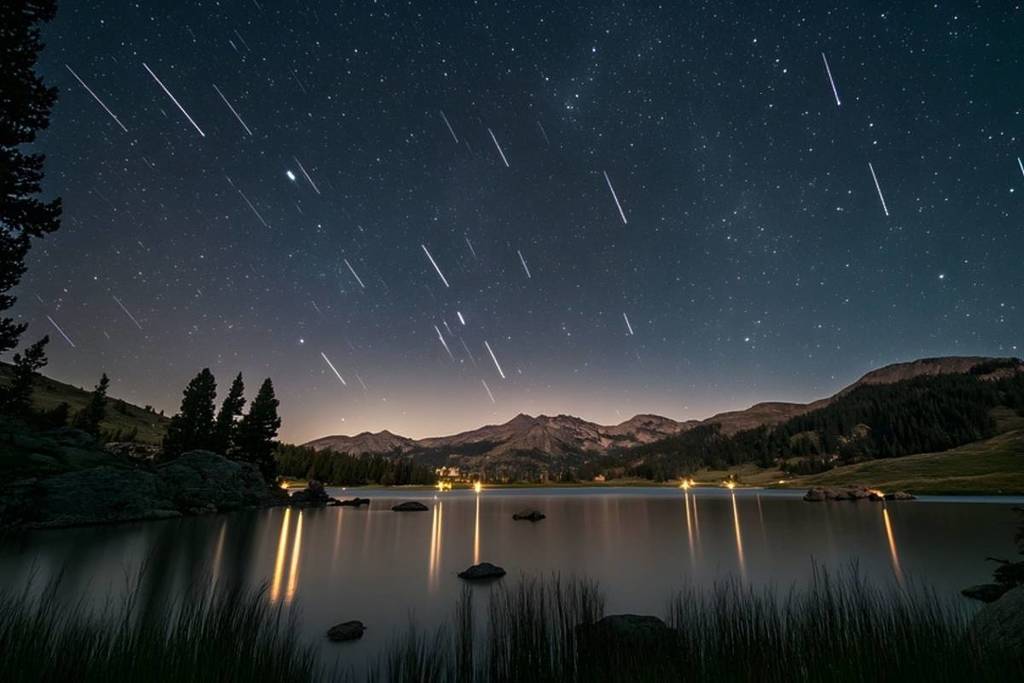

While the Perseids and the Geminids draw crowds of stargazers at night, one of the year’s most active phenomena occurs at a much more unexpected time: in broad daylight. On June 10, the Arietes will reach their peak activity and could produce up to sixty meteors per hour, according to radar estimates.
60 meteors per hour at the peak of the Arietes
To provide some context, the Ariids are considered the largest known daytime meteor shower. The Earth passes through a cloud of space debris that enters the atmosphere at approximately 38 km/s. And to catch a glimpse of this beautiful spectacle, experts recommend looking up at the sky in the hour before sunrise, when the radiant—the point from which the meteors appear to originate—begins to rise above the eastern horizon. It is at this precise moment that a few shooting stars may sometimes become visible to the naked eye.
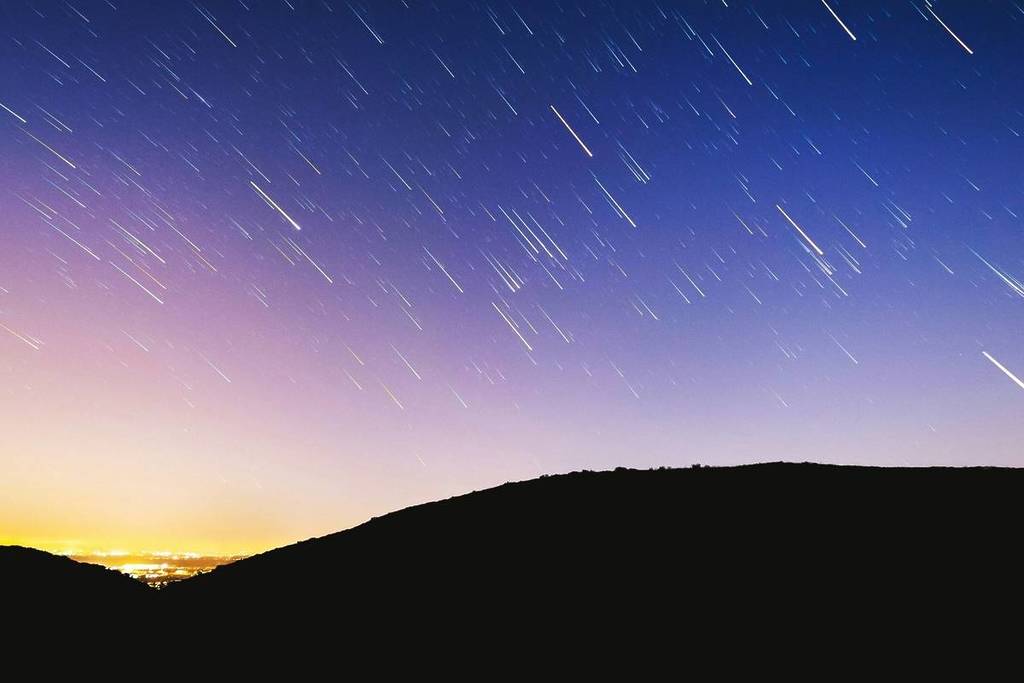
The phenomenon is active every year between mid-May and late June, but its peak is expected around June 10 in 2026. The Arietes take their name from the constellation Aries, in which their radiant is located.
As usual, astronomers therefore recommend getting away from cities and choosing locations with minimal light pollution. Even though they are much less spectacular than August’s Perseids, the Arietes still hold a touch of mystery. So, will you manage to spot them?
📍Arietes meteor shower – Peak viewing on June 10, 2026