
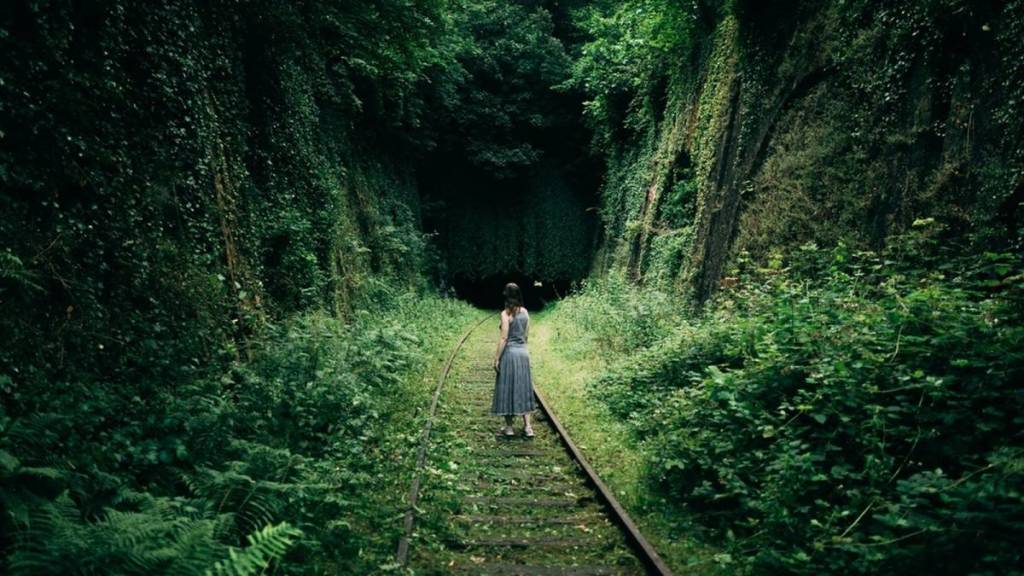

Rails overgrown with vegetation, old railroad tunnels, and hidden walking paths tucked between buildings… It’s hard to imagine that trains once ran here every day. Yet this former Parisian railroad line carried as many as 39 million passengers in a single year! Today, part of its route has been transformed into a true little slice of paradise, far from the hustle and bustle of the grand boulevards. Welcome to the Petite Ceinture, one of the capital’s most unusual spots.
In the 19th century, the Petite Ceinture circled Paris by train
The story begins under Napoleon III, at a time when Paris was undergoing major transformations. Starting in 1852, a new railway line gradually took shape around the capital. The purpose of this line was to connect Paris’s major train stations and facilitate the transport of goods, without having to cross the city with carts.
In 1854, a new section of the line opened. But it wasn’t until 1862 that the first passenger trains began running on the Petite Ceinture on the right bank. Over the years, the network expanded and eventually formed a loop around Paris.
It was a huge success! In 1900, more than 39 million passengers rode the Petite Ceinture. Long before the metro became a fixture in Parisians’ daily lives, this line connected different neighborhoods throughout the capital.
But the arrival of the metro gradually changed the landscape. More convenient for getting around the capital, it attracted many passengers. Ridership on the Petite Ceinture plummeted. In 1934, passenger trains stopped running on a large portion of the line. Freight transport continued on certain sections, before eventually winding down as well.
172 years later, the trains have given way to a green promenade
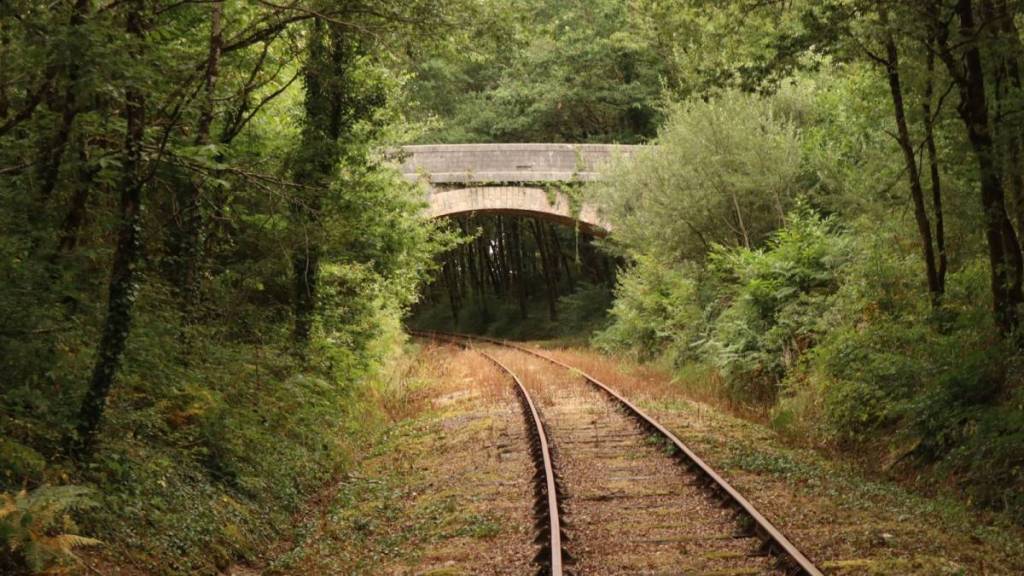
Today, the landscape has changed dramatically. Where locomotives once ran, trees, wildflowers, and climbing plants have gradually taken over the tracks. Certain sections of the Petite Ceinture now resemble true hidden gardens. What gives this walk its charm is precisely its railway past. The old tracks, bridges, and tunnels are still visible. In some places, walls covered in street art stand side by side with the wild plants of the Petite Ceinture. It’s a rather unexpected setting, just a few steps away from the hustle and bustle of the capital.
For several years now, the City of Paris has been gradually developing certain sections to open them up to pedestrians. Today, about 12 to 13 km are open to the public, out of a total loop of approximately 32 km. These areas have also become havens for Parisian biodiversity.
The Petite Ceinture continues to evolve. In August 2026, a 300-meter tunnel opened in the 15th arrondissement, connecting two previously separate sections. Since then, visitors have been able to enjoy an uninterrupted 2-kilometer walk between Georges-Brassens Park and Place Balard.
The most surprising part? You can still walk along the old tracks and pass through tunnels where trains once ran. It’s a stroll that’s a refreshing change from the usual parks and is definitely worth the detour!
To enjoy this walk, stick to the sections that have been officially developed and opened to the public. Some parts of the old railroad track remain closed for safety reasons.