
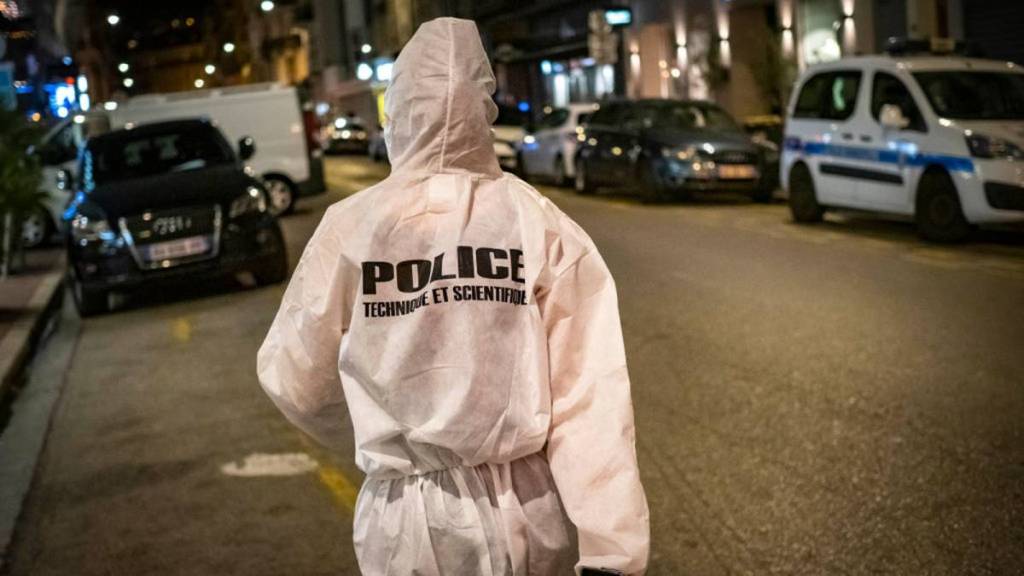

Evidence, weapons, archives, and criminal cases that have left their mark on Paris… Hidden inside a police station in the 5th arrondissement, the Police Prefecture Museum preserves traces of several centuries of investigations. And from October 8 to 17, the museum is offering a series of free events to discover how investigators actually work on a case.
A little-known museum hidden inside a Paris police station
The museum remains largely unknown to the general public. It is located at 4 rue de la Montagne Sainte-Geneviève, right inside the 5th arrondissement police station. Once inside, the atmosphere changes quickly.
The museum tells the story of the Parisian police through more than 2,000 artifacts. These include archival documents, weapons, uniforms, and even actual pieces of evidence. Some collections also explore investigative methods and the evolution of criminology.
At the same time, the museum traces part of the history of the Parisian judicial police, long associated with the legendary 36 quai des Orfèvres. The major brigades of the judicial police worked there for decades before moving to 36 rue du Bastion in 2017.
Landru, Petiot… Criminal Cases That Have Become Part of History
Paris’s history is also shaped by its most famous crime stories. The museum houses objects and documents related to several cases that made headlines in their day
Landru and Dr. Petiot are among the criminals featured in the collections. The exhibition also covers the Queen’s Necklace Affair, Ravaillac, and Vidocq. Through these cases, visitors also learn how investigators have refined their methods over the years.
Visitors also learn how police officers have gradually adopted new methods for analyzing clues, examining evidence, and advancing their investigations. It’s a concrete way to see how modern science and technology have gradually transformed the work of investigators.
Forensic science takes center stage
This week, the topic takes on yet another dimension. From October 8 to 17, 2026, the museum is participating in the Fête de la Science with a program dedicated to the world of forensic science and a behind-the-scenes look at criminal investigations. Admission to the announced events is free.
This theme is already part of the museum’s permanent exhibition. But this week, the museum is taking it a step further. It’s offering events specifically dedicated to the behind-the-scenes aspects of investigations and criminal cases. On October 8, a former commissioner from the 36th Precinct’s Criminal Investigation Division will discuss the Issei Sagawa case and the investigations conducted at the time. On October 15, the Paris morgue will be the focus of a conference combining medicine, law enforcement, and the justice system. Finally, on the last day of the week, a historian will discuss several cases of necrophilia in the 19th century and how the justice system sought to address them at the time.
For a few days, the museum’s artifacts and case files give way to those who have studied or lived through these investigations, allowing them to recount what really happens behind the scenes of a criminal case.
When Science Helps Move Investigations Forward
Over the years, science has played an increasingly important role in criminal investigations. Today, specialists can analyze fingerprints, DNA, ballistics, toxicology, and even documents. All of these elements can help identify a person, understand what happened, or link a clue to a case.
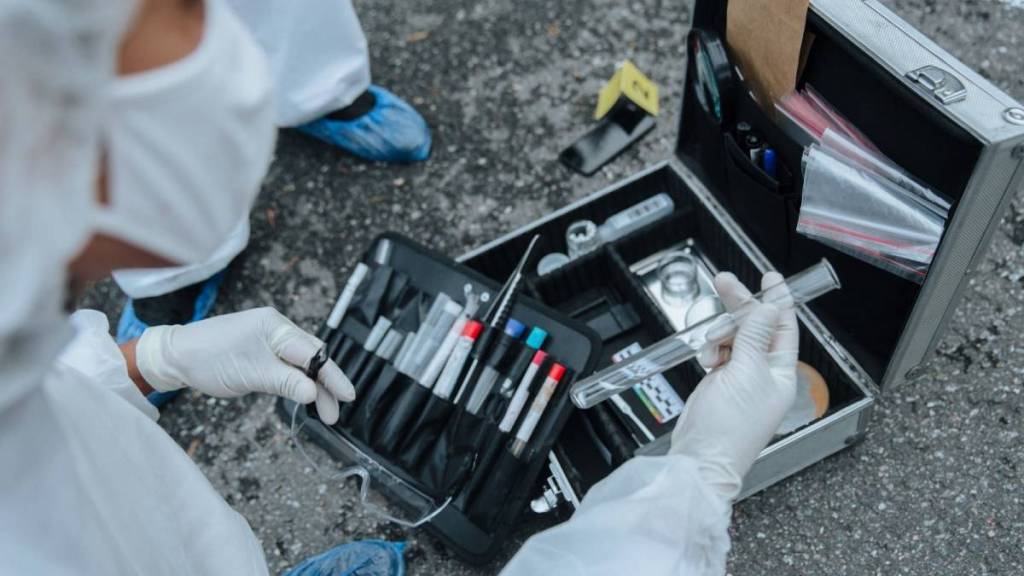
At a crime scene, the work also begins with the collection and preservation of evidence relevant to the investigation. Objects, biological samples, and ballistic evidence are collected, packaged, and then analyzed by the appropriate agencies.
It is precisely this evolution that the museum chronicles. Its journey spans from traditional investigative methods to more modern forensic techniques, while preserving evidence linked to major Parisian cases.
Location: Musée de la Préfecture de Police, 4 rue de la Montagne Sainte-Geneviève, 75005
Date: October 8–17, 2026
Admission: Free with registration