

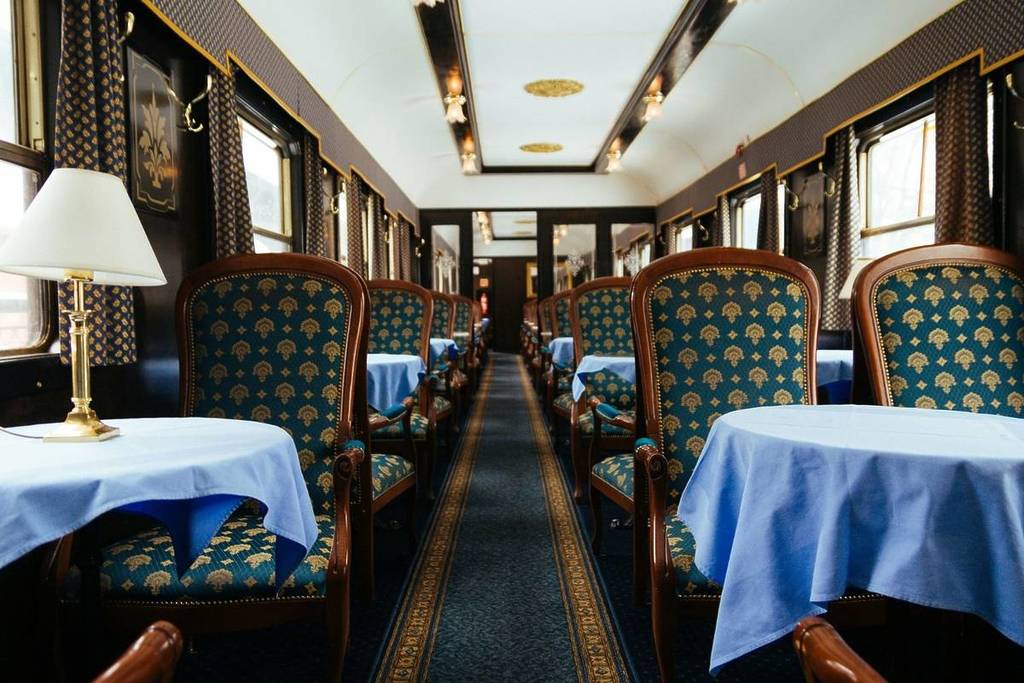
In almost continuous service since the end of the 21st century, the Orient Express is still the object of fascination for railway enthusiasts, but not only! Today, we take a look back at the history of this myth on rails, several carriages of which will be on display at the Gare d’Austerlitz during the Journées du Patrimoine 2025.
The Orient Express: a rail myth that has spanned the centuries
The Orient-Express was born in 1883, under the impetus of the Compagnie internationale des wagons-lits, founded by Belgian engineer Georges Nagelmackers. The idea was simple but visionary: to link Paris to Constantinople aboard luxurious carriages offering unprecedented comfort for the time. From its very first journey, this train inaugurated a new way of traveling, reserved for a wealthy clientele in search of adventure and refinement.

Wooden cabins, cozy beds, dining rooms with immaculate tablecloths, gleaming silverware and refined cuisine: the Orient-Express revolutionized train travel. More than just a means of transport, it became an immersive experience. On board, writers, diplomats, aristocrats and celebrities crossed paths, making every journey a very special one.
The notoriety of the train quickly spread beyond the railway. Agatha Christie used it as the setting for her famous 1934 novel The Crime of the Orient Express, helping to anchor the legend in the collective imagination. In the cinema, the train has inspired numerous directors, reinforcing its mysterious and sometimes glamorous aura. But the Orient-Express is not just a luxury train. During the First and Second World Wars, it was requisitioned for military transport and used for diplomatic signings, such as the 1918 armistice in Rethondes, in a similar carriage.
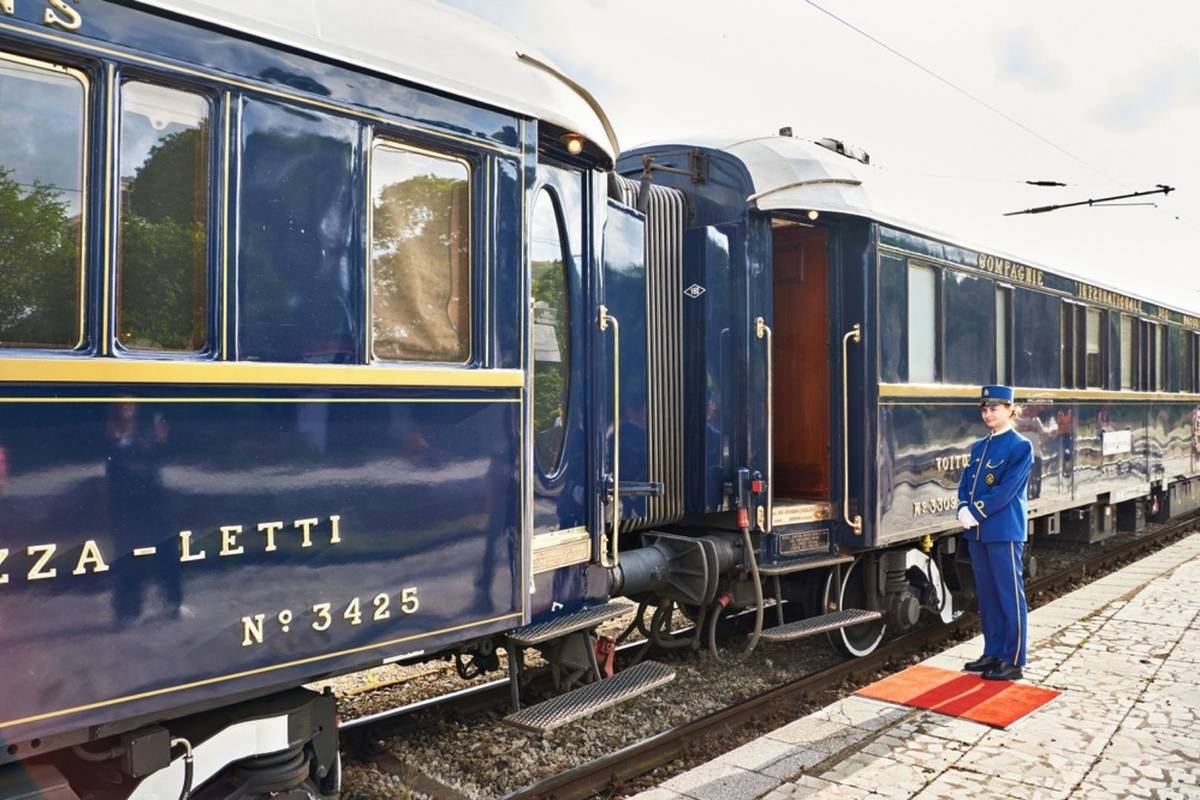
With the rise of aviation in the 1950s, the train gradually lost some of its superb reputation, and eventually disappeared from the main international routes. Yet its prestige was such that it was reborn in new forms. Today, several carefully restored vintage trains offer exceptional journeys, perpetuating the myth.
Alternatively, in Paris, you can dine in an authentic train carriage at Wagon Bleu, a Corsican restaurant in the 17th arrondissement. Alternatively, keep an eye on railway news, as Orient Express carriages are sometimes on display to the general public. Next up is the Gare d’Austerlitz, where 7 vintage carriages will be open to the public during the Journées du Patrimoine.