

Behind the names of the streets in the 4th arrondissement lie medieval tales that often stand in stark contrast to the neighborhood’s current image. Discover this part of Paris’s past through a historical stroll!
From “broken bread” to a misogynistic sign
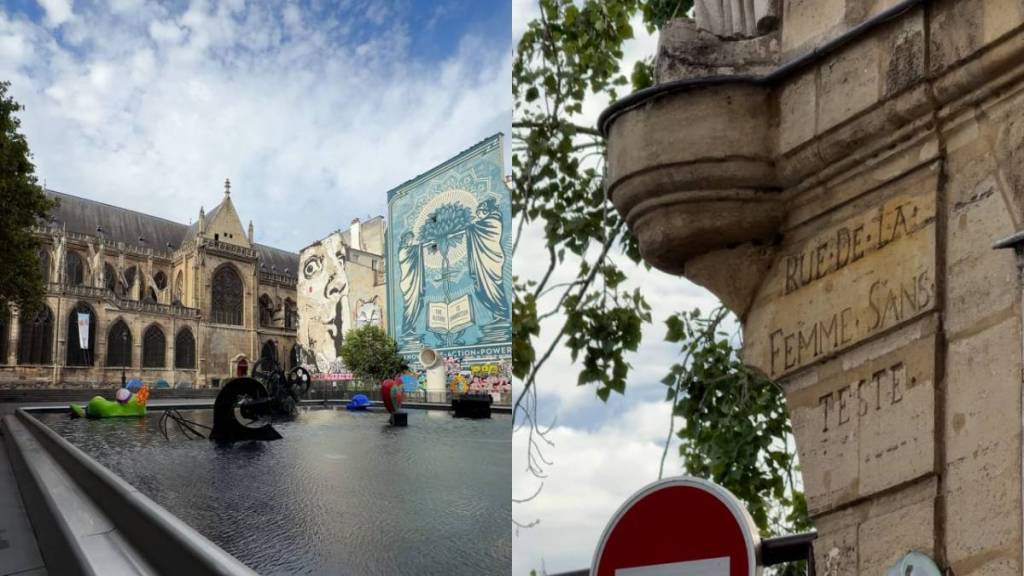
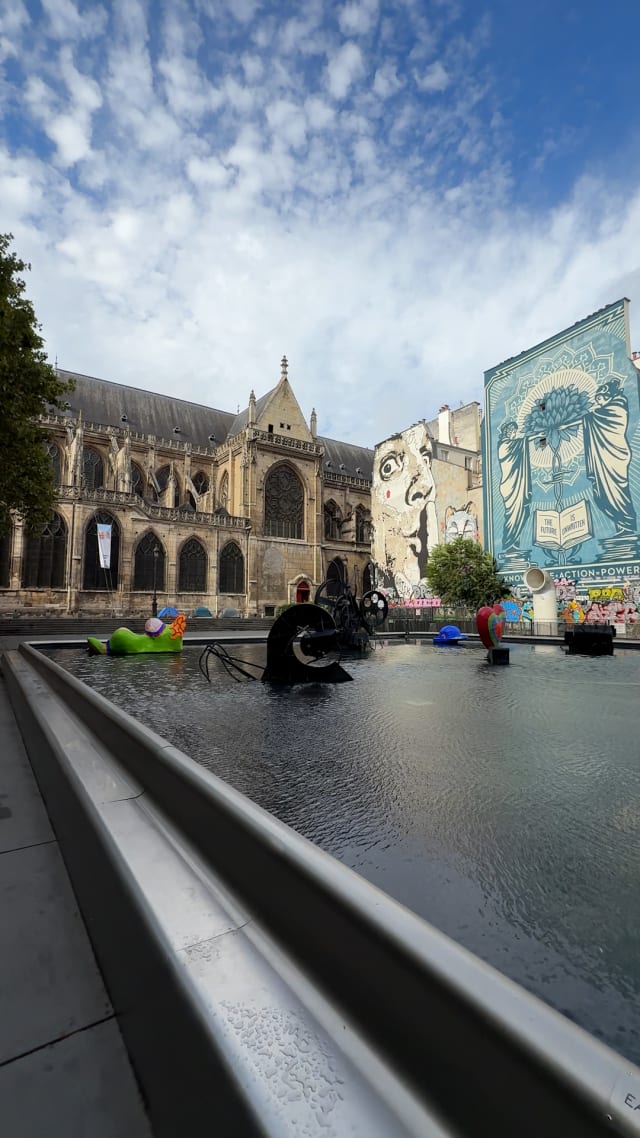
Near the Stravinsky Fountain, Rue Brise-Miche does not derive its name from a risqué origin. This street actually absorbed the former Rue Taillepain. At this exact spot, bakers used to shape the bread, and clergy from the surrounding area would come here to “break the loaf,” or “have a bite to eat,” as we still say today.
Further on, Rue Le Regrattier was once called “Rue de la Femme-sans-Tête.” Although today you can see on the corner a statue of a saint that was vandalized and decapitated during the Revolution—and whose head has since been replaced—the origin of the name is quite different. It comes from an old cabaret whose sign displayed a misogynistic motto claiming that a woman was only good if she didn’t have a head to complain with… We’re certainly glad the name has changed since then!
Royal Fauves and Tax Exemptions
The neighborhood’s history has also been shaped by wildlife. Rue des Lions-Saint-Paul bears witness to the presence of real felines in this area. That’s right—in the 14th century, King Charles V set up his personal menagerie here, right in the gardens of his royal residence…
For its part, Rue des Francs-Bourgeois is a perfect example of a historical false friend. While it is now one of the most luxurious streets in the Marais, its name refers to an entirely different reality. In the 14th century, a “franc-bourgeois” was not a wealthy resident, but rather a person so poor that he was declared “franc”—that is, exempt from all taxes. This is a far cry from the glamorous—and, it must be said, somewhat pretentious—image of the area today.
Did you know that?