

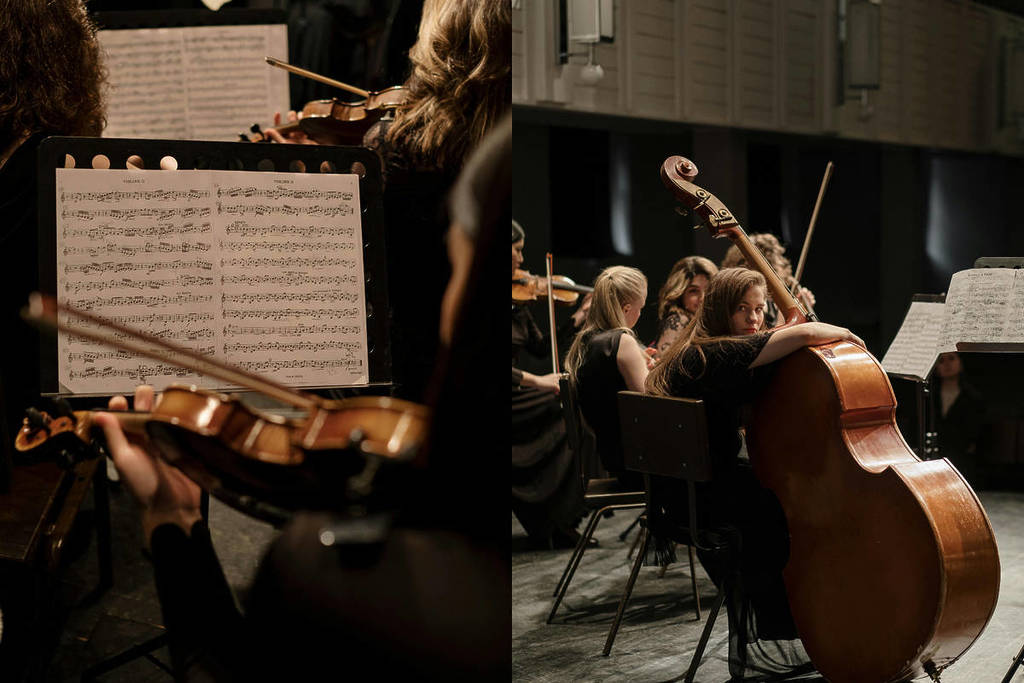
In Paris, classical music has never left the stage, but it has learned to reinvent itself. Between legendary concert halls, churches with superb acoustics, festivals, and more contemporary formats, classical music is part of the capital’s everyday cultural life. Long perceived as an art form reserved for an initiated audience, a recent study reveals that this music now attracts younger, more curious listeners who are, above all, more open to experiences that go beyond the traditional framework.
The following findings are based on the results of the “Classical Pulse 2026” study, conducted online by the Dynata institute. Carried out among 8,000 people across 10 countries (800 people per country), this survey analyzes how today’s audiences engage with classical music.
Table Of Contents
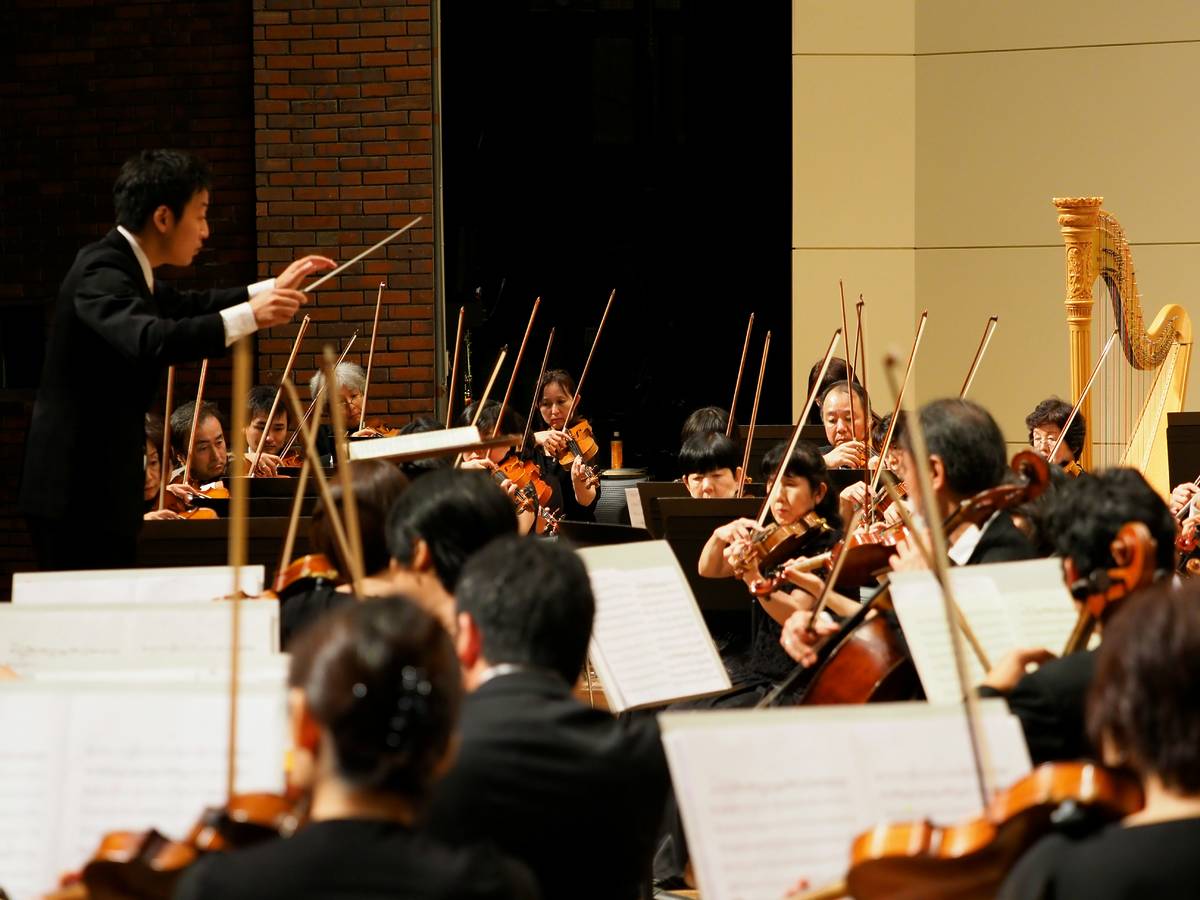 Photo by Kazuo Ota on Unsplash
Classical music around the world
Classical music is changing, and it is the younger generation who are leading the way. Contrary to expectations, Generation Z and Millennials are now much more engaged than their elders, with up to 15% of them considering themselves devoted fans. Despite the fact that accessibility remains a barrier (too few concerts nearby or a lack of company to go with), classical music has a bright future ahead of it, as it is above all a social genre: nearly one in two people worldwide is connected to it, either through playing an instrument or through their social circle.
And its future is already being rewritten with a growing interest in hybrid formats, combining visual effects, immersive experiences, and genre crossovers, while only a minority wish to stick to strictly traditional concerts. One thing is certain: classical music is not static; it evolves with the times and with its audience.
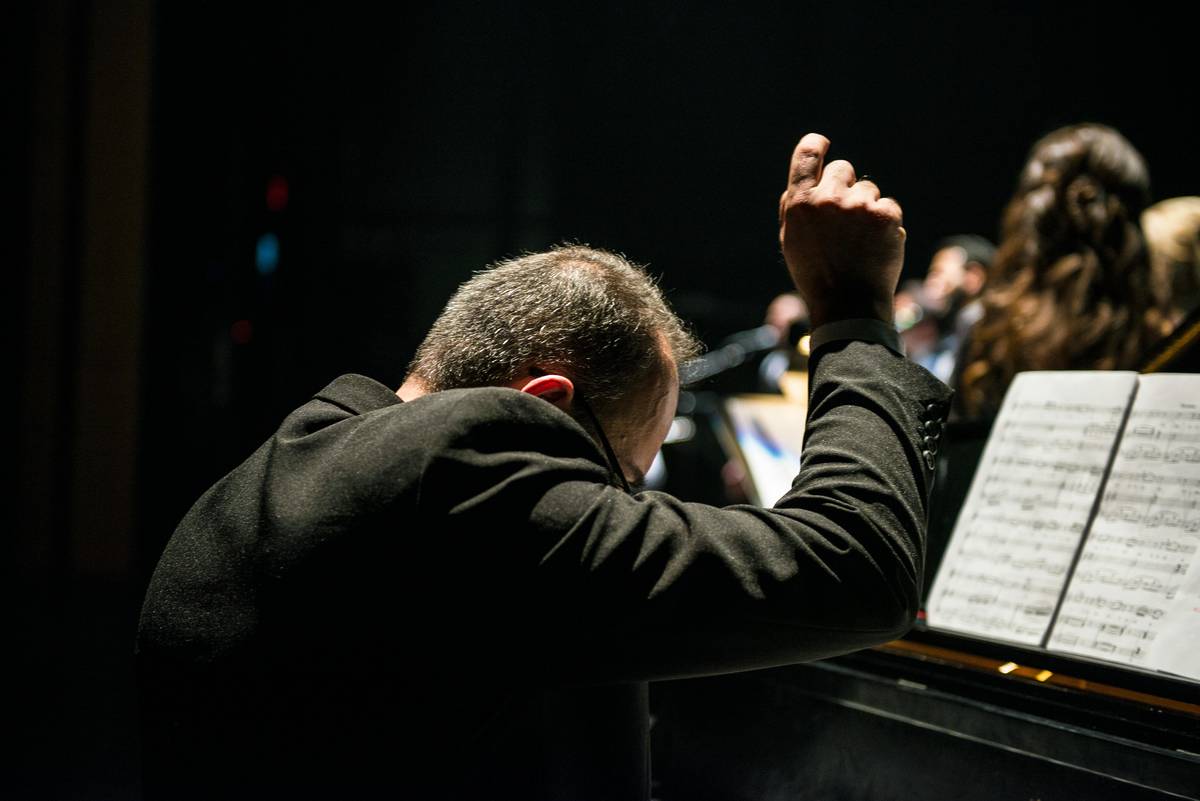 Photo by Jacob Yavin on Pexel
Classical music in France
The French honor their cultural heritage, with more than half having attended a classical concert at least once in their lives (54%), according to the “Classical Pulse 2026” study. And guess what? Among them, it is the under-45s who stand out: 93% attended at least one concert last year. This makes France the third country with the youngest audience in the study. At the same time, with its many festivals, major institutions that perpetuate traditions, and innovative formats such as Candlelight, there is no shortage of options .
The future of classical music in France
The “Classical Pulse 2026” study asked respondents which of these innovative concepts (visual effects, genre blending, unconventional venues, and interactive elements) interested them the most. In France, visual effects (32%) and unconventional venues (25%) were the most appealing. Combined with the fact that France has one of the highest attendance rates for concerts in places of worship (44%), the study seems to suggest that the atmosphere, visual aspect, and acoustics in historic settings will be central to the future of this timeless genre.