
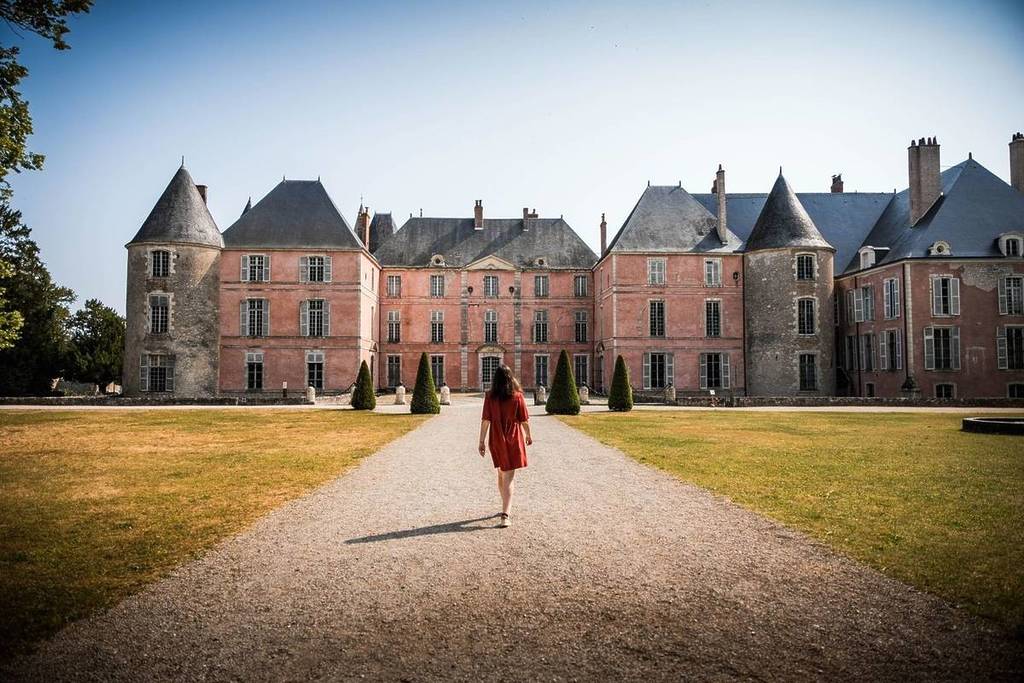

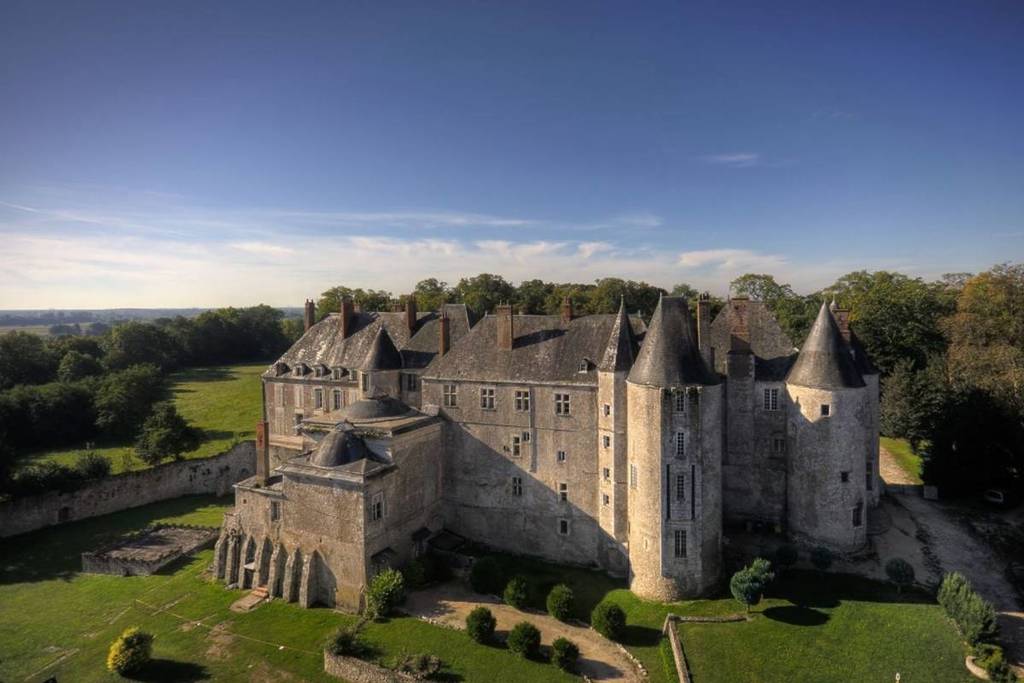
Upon arriving in Meung-sur-Loire, you discover an imposing medieval fortress flanked by towers. A few minutes later, as you reach the gardens, the setting changes completely: the façade becomes elegant and symmetrical, more reminiscent of an 18th-century aristocratic residence than a fortified castle. It is this unique feature that has earned it the nickname “the Castle of Two Faces.”
A fascinating blend of styles
Located in the Loiret department, about fifteen kilometers from Orléans, the monument is one of the oldest in the region. Its history dates back to the Middle Ages, when it became the country residence of the bishops of Orléans. Over the centuries, the castle expanded, underwent transformations, and hosted several major figures in French history.
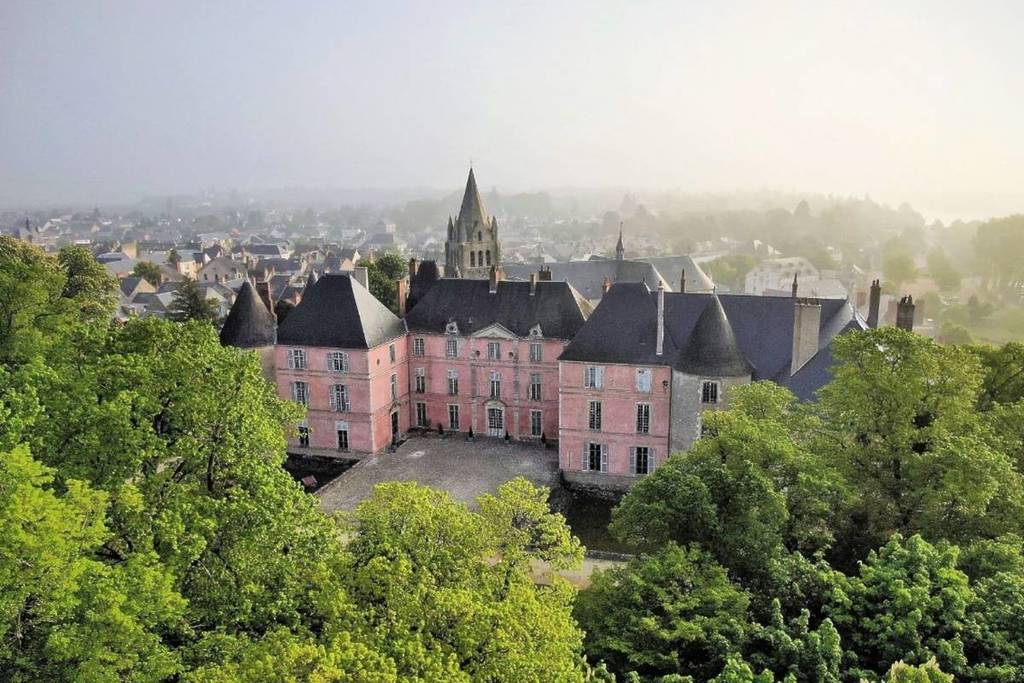
Among them was a certain Joan of Arc. In June 1429, as the Hundred Years’ War raged, the castle was occupied by the English. A few days after the siege of Orléans was lifted, Joan of Arc took part in its reconquest, forever cementing Meung-sur-Loire’s place in national history.
But the castle is not defined solely by its glorious episodes. It also has a darker side. For several centuries, some of its rooms served as a prison. The most famous of its inmates was undoubtedly the poet François Villon, imprisoned here in 1461 on the orders of the Bishop of Orléans.
What makes a visit particularly interesting today is precisely this layering of eras. The château retains remarkable medieval features, such as its 13th-century towers, vaulted cellars, and underground passages. But it also features salons, apartments, and décor from the 18th century, when the bishops decided to transform the former fortress into a prestigious residence. On the eve of the Revolution, some even dubbed it the “little Versailles” of the bishops of Orléans.
The tour also holds a few more unexpected surprises. Visitors can explore the attics, discover old bathrooms, descend into the underground passages, or explore the vast medieval cellars. Few castles offer such a comprehensive tour, from the attic to the basement.
Finally, the monument is closely linked to the town surrounding it. Alexandre Dumas chose Meung-sur-Loire as the starting point for d’Artagnan’s adventures in The Three Musketeers. Further proof that this château, often overshadowed by the major stars of the Loire Valley, has nonetheless left its mark on the collective imagination far beyond the Loiret.
With its radically different facades, dungeons, underground passages, and connections to Joan of Arc and François Villon, the Château de Meung-sur-Loire is one of those places that tells several stories at once.
📍Château de Meung-sur-Loire – 16, place du Martroi – Meung-sur-Loire