
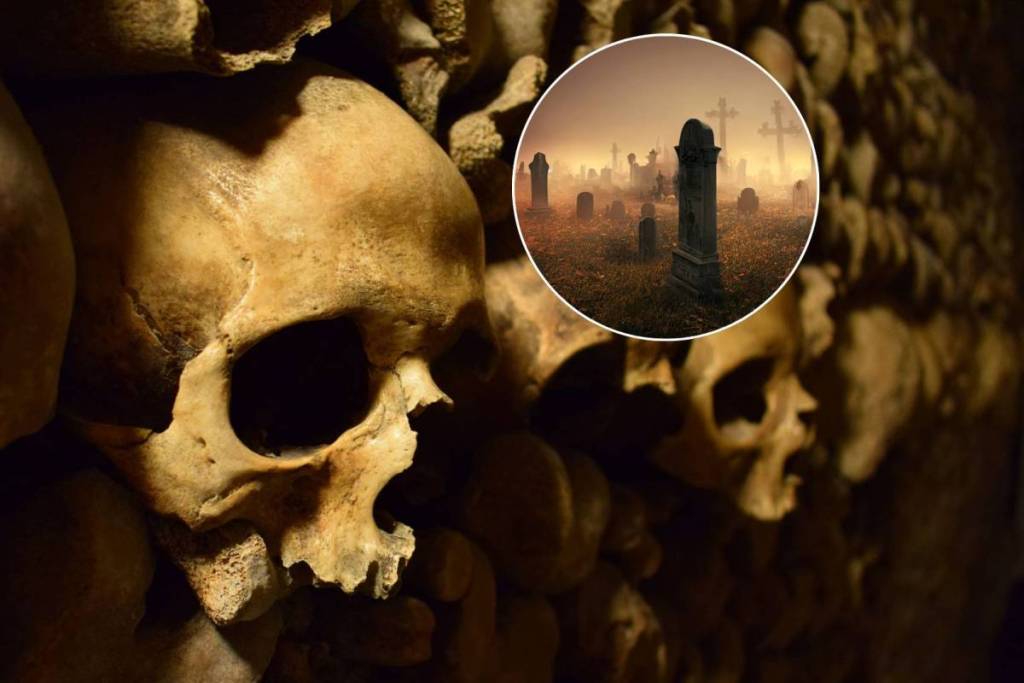

Want to swap fake spiderwebs and plastic pumpkins for real chills? AsHalloween approaches, nothing beats a journey into the bowels of Paris. And good news for thrill-seekers: the world’s largest ossuary has reopened its doors after a historic transformation. Ready to descend into the realm of the dead?
The perfect Halloween night? We’ve got the recipe
Now is the time to brave the darkness: this new tour of the Catacombs is the perfect starting point for a memorable Halloween in Paris, creating a striking link betweenthe city’s history and the afterlife.
And to prolong this delightfully gloomy atmosphere once you’re back on the surface, let yourself be enchanted by a Halloween concert —a vibrant experience performed by candlelight alone, where Saint-Saëns’s masterful “Danse macabre” rubs shoulders with the retro synths of *Stranger Things* and the iconic chills of Michael Jackson’s “Thriller ,” completely reimagined by a string quartet.
30 October 2026 19:30
Maison de l'Océan
20 meters underground: at the heart of macabre Paris
You can forget everything you thought you knew about visiting the Catacombs! Since April 8, 2026, the site has once again welcomed the public after five months of massive renovations: one of the most significant restoration projects in its history.
But what exactly awaits you beneath the pavement? From the very first steps, the temperature drops and the atmosphere grows heavier. You’re now embarking on a fascinating 1,500-meter-long tour, buried 20 meters underground . This veritable labyrinth lies at the heart of underground Paris, in a truly unique site carved directly out of the old quarry tunnels of Tombe-Issoire.
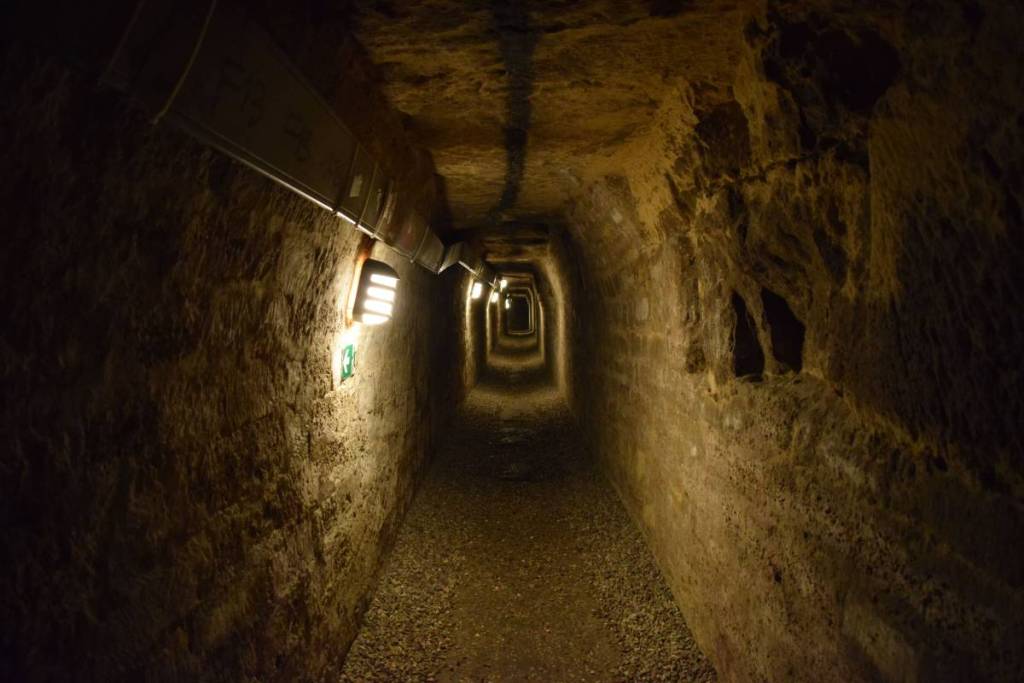
This is where the remains of 6 to 7 million Parisians lie. At the end of the 18th century, faced with public health issues that were plaguing the capital, the closure of Paris’s cemeteries (including the infamous Saints-Innocents Cemetery) became inevitable. The bones were then transferred after dark to avoid shocking the living.
We owe the site’s “romantic and macabre” aesthetic to Inspector Héricart de Thury. Before the official opening to the public in 1809, he decided to transform what was merely a chaotic pile of bones into a spectacular museum-like display. He created these immense facades of femurs and tibias, meticulously alternating them with rows of skulls that today seem to scrutinize every passing visitor.