

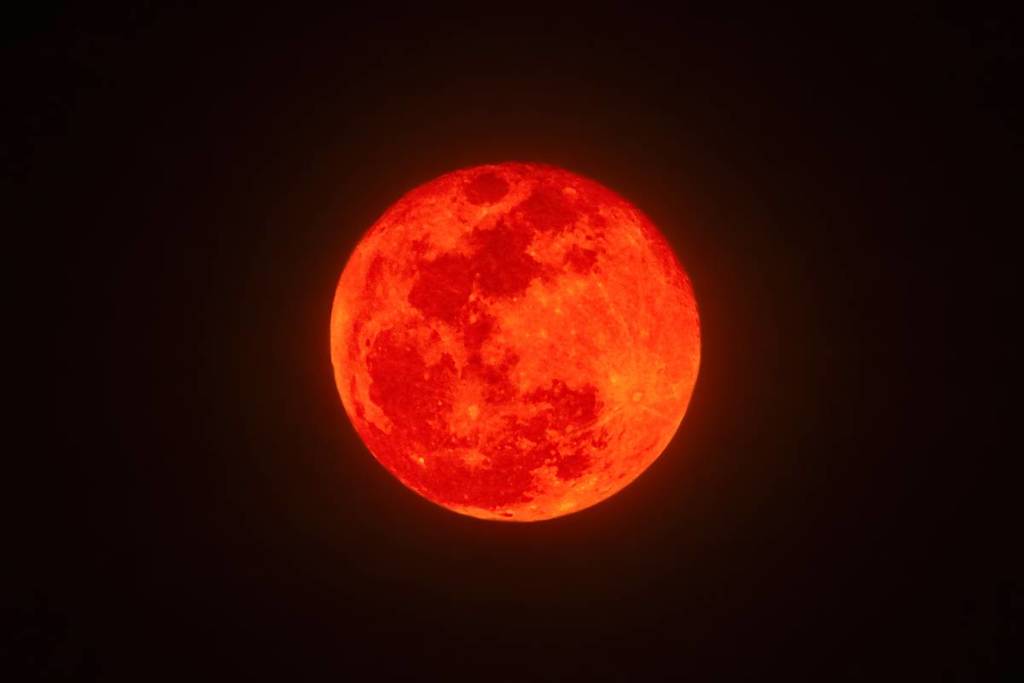
It is the first celestial spectacle of 2026, and not the least: a blood moon! Astronomy enthusiasts and aesthetes, mark March 3 on your calendars.
Why a “blood moon”?
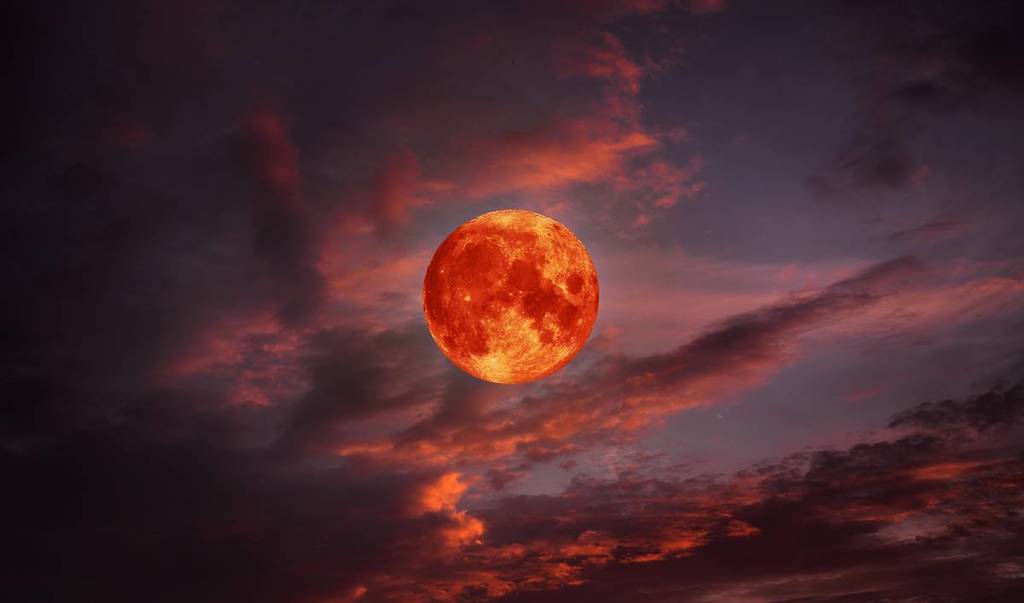
In a few days, on March 3, 2026, a total lunar eclipse will offer an extraordinary spectacle: in the darkness, the moon will turn red for about 58 minutes. But what causes this exceptional phenomenon? In reality, this event occurs when the Earth moves between the moon and the sun, blocking the passage of direct sunlight. The Earth’s atmosphere acts as a filter, allowing only red wavelengths to reach the moon’s surface.
On the night of March 2 to 3, the blood moon will begin around 4:50 a.m. EST. At around 6:30 a.m. EST, shortly before the first light of day in North America, it will take on its beautiful scarlet hue and set the sky ablaze with an even more intense red. In total, the lunar eclipse on March 3 will last 5 hours and 39 minutes, with a 58-minute phase during which the moon will turn bright red.
Will France be able to observe this exceptional red moon?
And what about France? Will it be able to observe this spectacular celestial phenomenon? Well, no. Unfortunately, it will not be possible to observe the blood moon from mainland France… According to NASA and astronomical forecasts, the eclipse will not be visible from Europe, including France. Why is that? Simply because the Moon will be below the horizon or very low in the sky from our perspective at the time of the eclipse. Even though the phenomenon will indeed take place in the sky, it will not be observable to us. However, the eclipse will be clearly visible from East Asia, Australia, North America, and Central America. These are places where the moon will be high in the sky during the entire eclipse.
These astronomy websites will broadcast live images of the eclipse
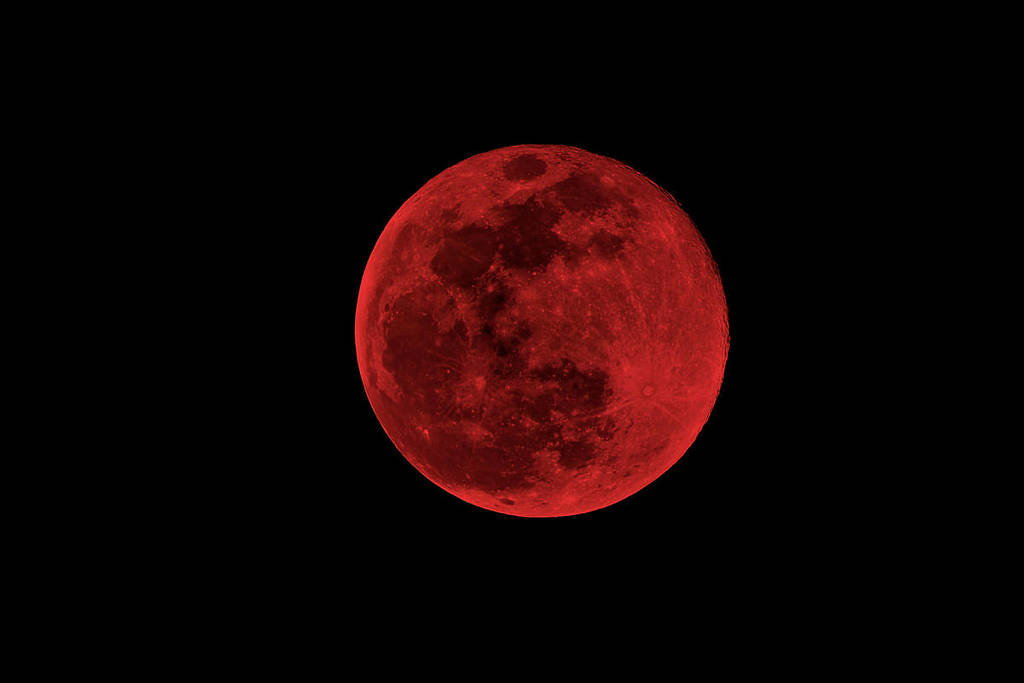
But there is an alternative! Astronomy enthusiasts will still be able to observe the phenomenon online and live, via livestreams such as the American Adler Planetarium website, where astronomers and science communicators will comment on the “blood moon” in real time. The timeanddate website will broadcast live images of the eclipse on its YouTube channel on the morning of March 3 in mainland France.
Coming soon: the Flower Moon and the mysterious Blue Moon…
What are the next notable astronomical phenomena that can be observed from France? The first moon of spring on May 1, commonly known as the Full Flower Moon, and the splendid Blue Moon at the end of May…