
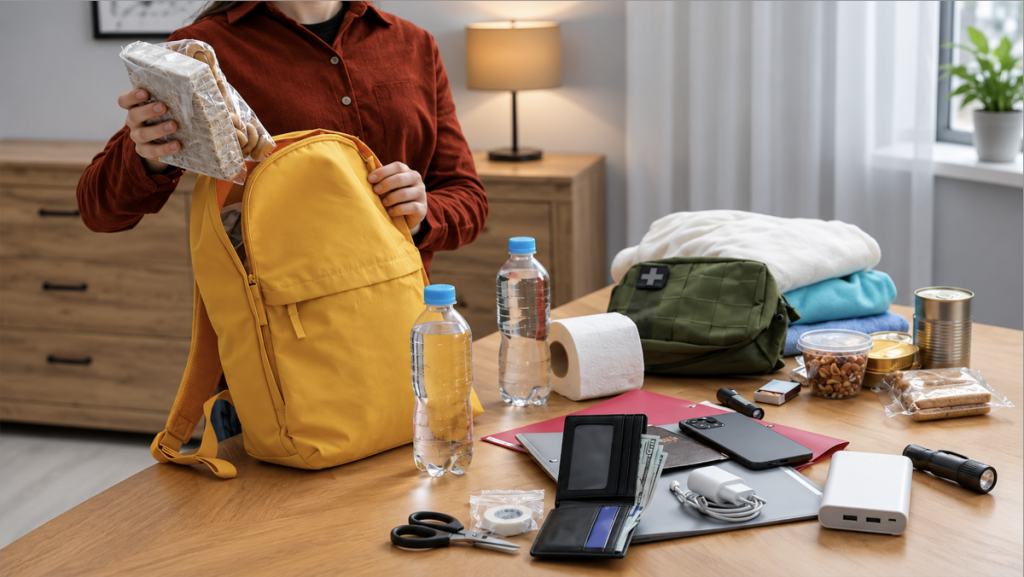

Bottled water, cash, a battery-powered radio, or even photocopies of important documents… These everyday items become essential in the event of a crisis. For several weeks now, French authorities have been stepping up their awareness campaigns about the 72-hour emergency kit. The goal is to enable residents to remain self-sufficient for three days. This recommendation also applies to Parisians, particularly in light of the risks of flooding or power outages. So, why is this kit back in the news, and what should you actually include?
Why are the authorities once again emphasizing the 72-hour emergency kit?
This kit is not new. Recommended by the government for several years now, it is currently the focus of new awareness campaigns. In late October, the Normandy Prefecture, in particular, reiterated its importance on social media. In Finistère, a similar campaign has also been rolled out across many municipalities.
It enables everyone to cope during the first few hours of an emergency without immediately relying on regular services. In the event of a natural disaster or major outage, electricity, running water, and telephone networks may be disrupted. Travel can also become difficult.
But why exactly 72 hours? According to Civil Protection, the first three days following a disaster are often the most difficult. Having supplies on hand ensures you have the essentials during this period, whether you need to stay at home or evacuate your home.
Please note: these recommendations do not mean that a disaster is imminent. Recent campaigns are part of a preventive approach, particularly in light of the increasing number of climate-related risks and potential disruptions to essential services.
Cash, a battery-powered radio, water: what should you put in this kit?
Some of the recommended items may come as a surprise. However, each one serves a specific purpose. Cash, for example, can be useful if ATMs and payment terminals stop working. As for the battery-powered radio, it allows you to continue receiving updates from the authorities, even during a power outage or internet outage.
To put together the kit, the government advises including at least 6 liters of drinking water per person, as well as non-perishable foods that do not need to be cooked. It recommends including a battery-powered radio, a flashlight, and spare batteries in case of a power outage. As for health, it’s best to keep a first-aid kit, necessary medications, and a survival blanket within reach. Prevention is better than cure. A power bank, some cash, copies of important documents, and a spare set of keys are also essential. Finally, a few warm clothes and, if needed, supplies suitable for children or pets will round out the kit.
There’s no point in waiting for an emergency to put everything together. Authorities recommend keeping these essentials in an easily accessible place, away from water, and checking the contents once a year.
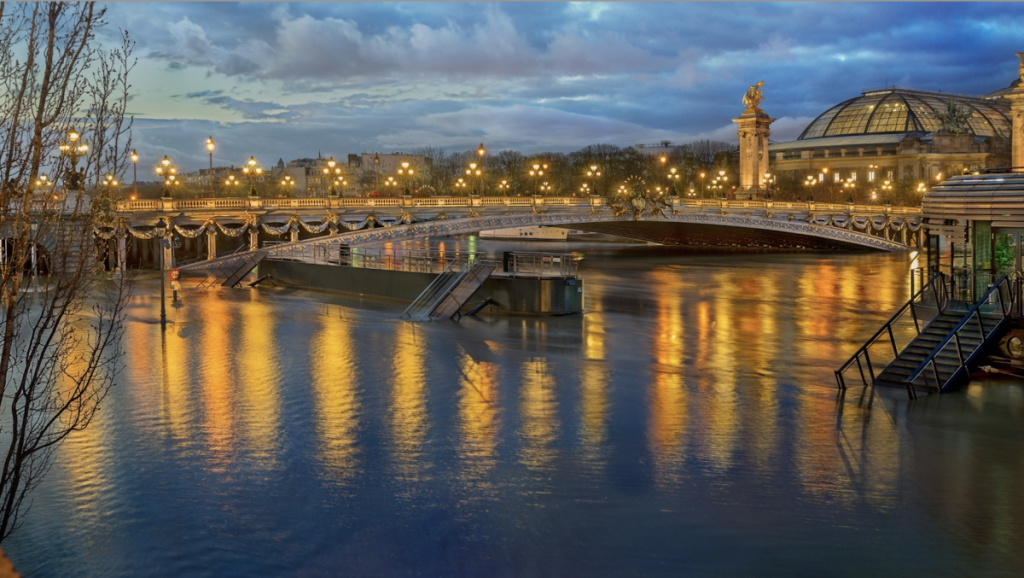
Flooding of the Seine, power outages: why Paris is so affected
One might think that this type of preparation mainly concerns regions regularly hit by storms or natural disasters. However, Paris is not immune to a major crisis.
Among the best-known risks is that of an exceptional rise in the water level of the Seine, which could disrupt certain neighborhoods and numerous services. A prolonged power outage or disruption to utility networks could complicate residents’ daily lives.
The City of Paris also recommends preparing an emergency kit, particularly to cope with the risk of flooding. It emphasizes the importance of keeping water, food, a radio, and personal documents on hand so that you can react quickly if the situation requires it.
The idea isn’t to stockpile endless supplies, but simply to have what’s necessary to cope with an emergency without having to scramble to organize everything on the spot.