


Eating healthier without draining your bank account: that’s the idea behind the bill introduced in the Senate. The bill aims to make certain healthy foods more accessible in supermarkets. It calls for at least 80 products to be included in a basket sold at a significantly reduced markup. Fruits, vegetables, legumes, and whole-grain starchy foods could be part of the basket.
At least 80 healthy products at more affordable prices
The project aims to create baskets of healthy products at more affordable prices. Participating supermarkets should be able to offer them year-round. Over the course of the months, these baskets should include at least 80 different products.
The proposal would primarily target large chains with stores larger than 400 m². These stores would need to be part of a network of at least five locations. Small neighborhood grocery stores would not be affected.
In terms of pricing, these products would be sold as close as possible to their actual cost. Retailers could still cover the costs of purchasing, storage, and stocking shelves, but the idea is to drastically reduce margins on these baskets to make them more affordable for consumers.
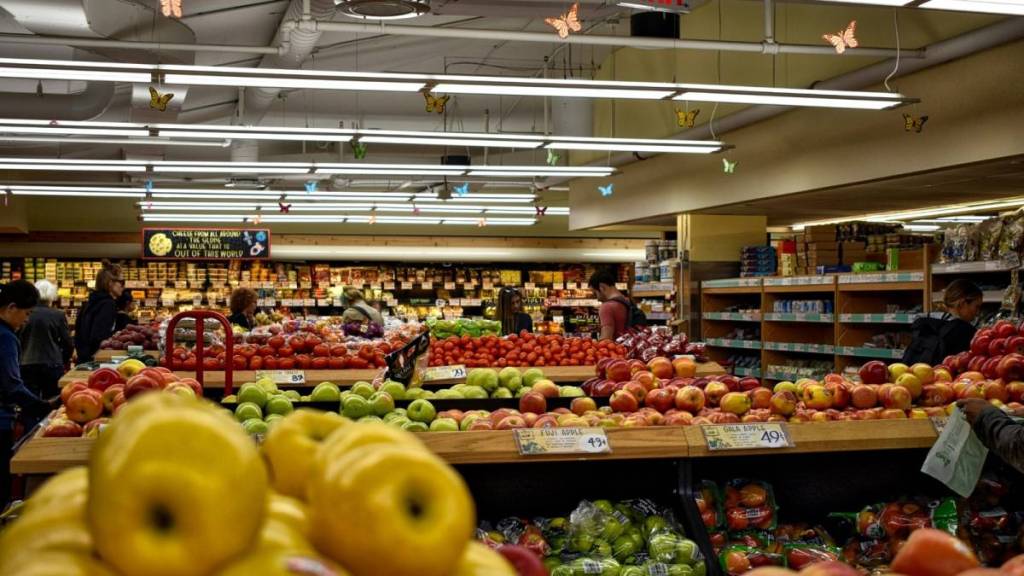
Fruits, vegetables, whole-grain starchy foods… what might be included in this basket?
For now, it’s impossible to know exactly which 80 products would be included. But the idea is quite clear: the basket should primarily consist of simple, everyday foods, such as fruits, vegetables, lentils, brown rice, and fish.
The goal is not to artificially fill the basket with different versions of the same product. A wide variety of foods should be offered so that consumers can put together more balanced meals without breaking the bank.
Basically, the goal is simple: to make products considered healthy easier to buy on a daily basis.
Why reduce profit margins on healthy products?
This is one of the central points of the bill. In its proposal, the Senate explains that certain healthy foods have higher profit margins than loss leaders, whose prices are more closely monitored by consumers. The bill therefore seeks to limit this practice when it comes to health-promoting products.
The proposal aims to change this approach in a small portion of the aisles. The idea is to prevent products considered healthy from becoming less affordable due to high profit margins.
The project also aims to ensure that this price reduction does not come at the expense of producers. Supermarkets would therefore not be allowed to offset a decrease in profit margins by demanding lower prices from producers.
A proposal that has not yet been implemented
Before rushing to the supermarket to look for these 80 products, you’ll have to be patient. For now, nothing has changed on your supermarket shelves. The bill was introduced in the Senate on September 2, 2026. It is still in the first reading stage. It must still go through several stages before it can be adopted.
If the proposal moves forward through the legislative process, it could still introduce a new approach to pricing in supermarkets: enabling more consumers to eat better without necessarily spending more.